
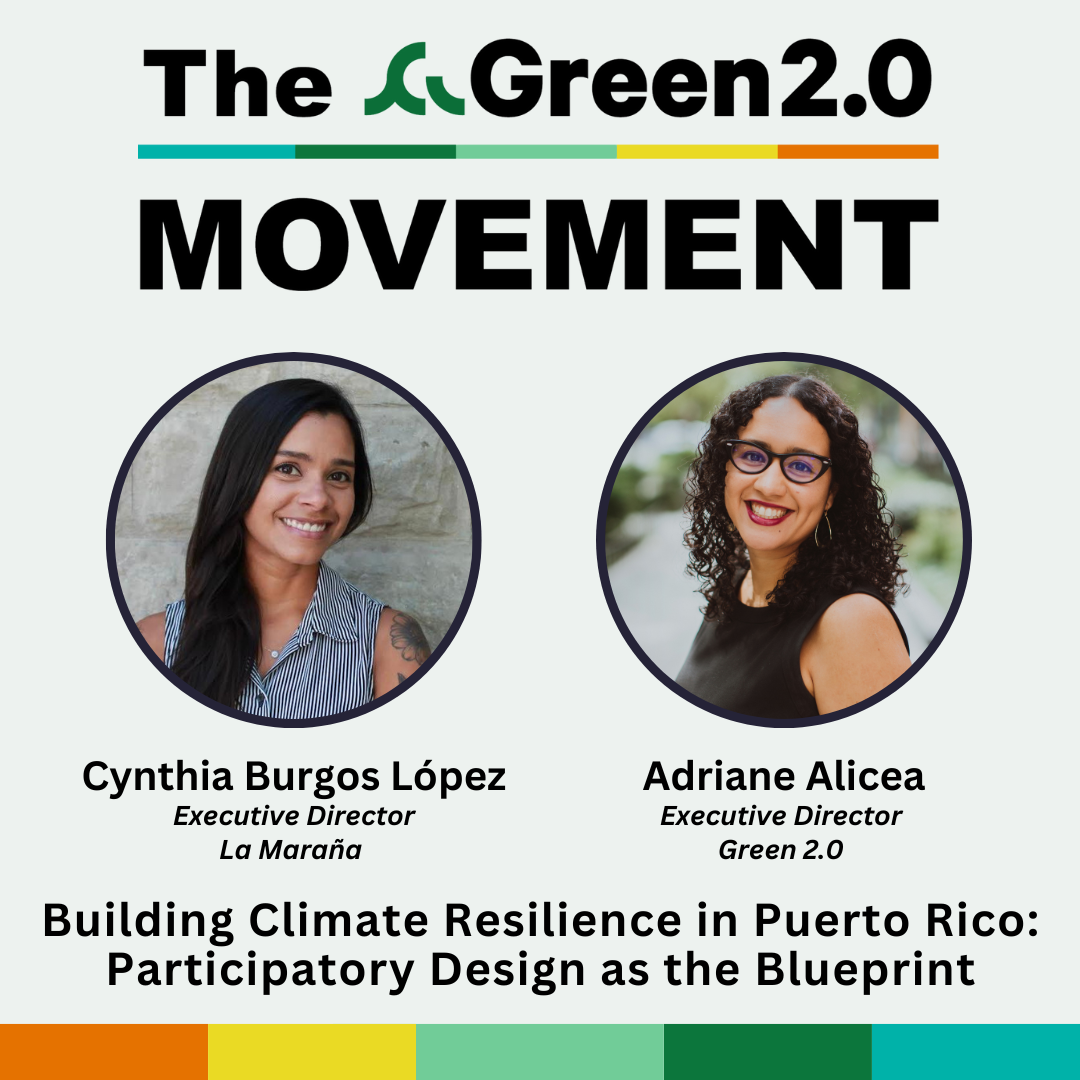
Building Climate Resilience in Puerto Rico: Participatory Design as the Blueprint
U.S. territories are on the frontlines of climate change. In Puerto Rico climate change and policies that prioritize tourists over local communities are driving economic and social inequity. Combined with the lasting impact and ever-present threat of natural disasters, it’s clear that a new approach to climate solutions is needed, one that involves working closely with local communities to understand their needs and create more resilient environments.
Host Adriane Alicea speaks with Cynthia Burgos López, the Executive Director of La Maraña, about how the organization is building a movement to support food sovereignty and climate resilience in Puerto Rico.

Green Justice: The Power of Litigation
Litigation can hold companies, governments, and individuals accountable when environmental laws are broken, and communities are harmed. As climate change affects a wider range of the population, more lawsuits are filed to protect people. Therefore, groups that aren’t strictly defined by climate become a part of the environmental movement. This conversation dives into how environmental litigation can protect communities and the land they live on.
Green 2.0’s Jasmine Guevara speaks with environmental attorney Sam Sankar of Earthjustice, about the role environmental litigation plays in advancing environmental justice and building bridges across movements in light of climate change’s growing impact on every part of our lives.
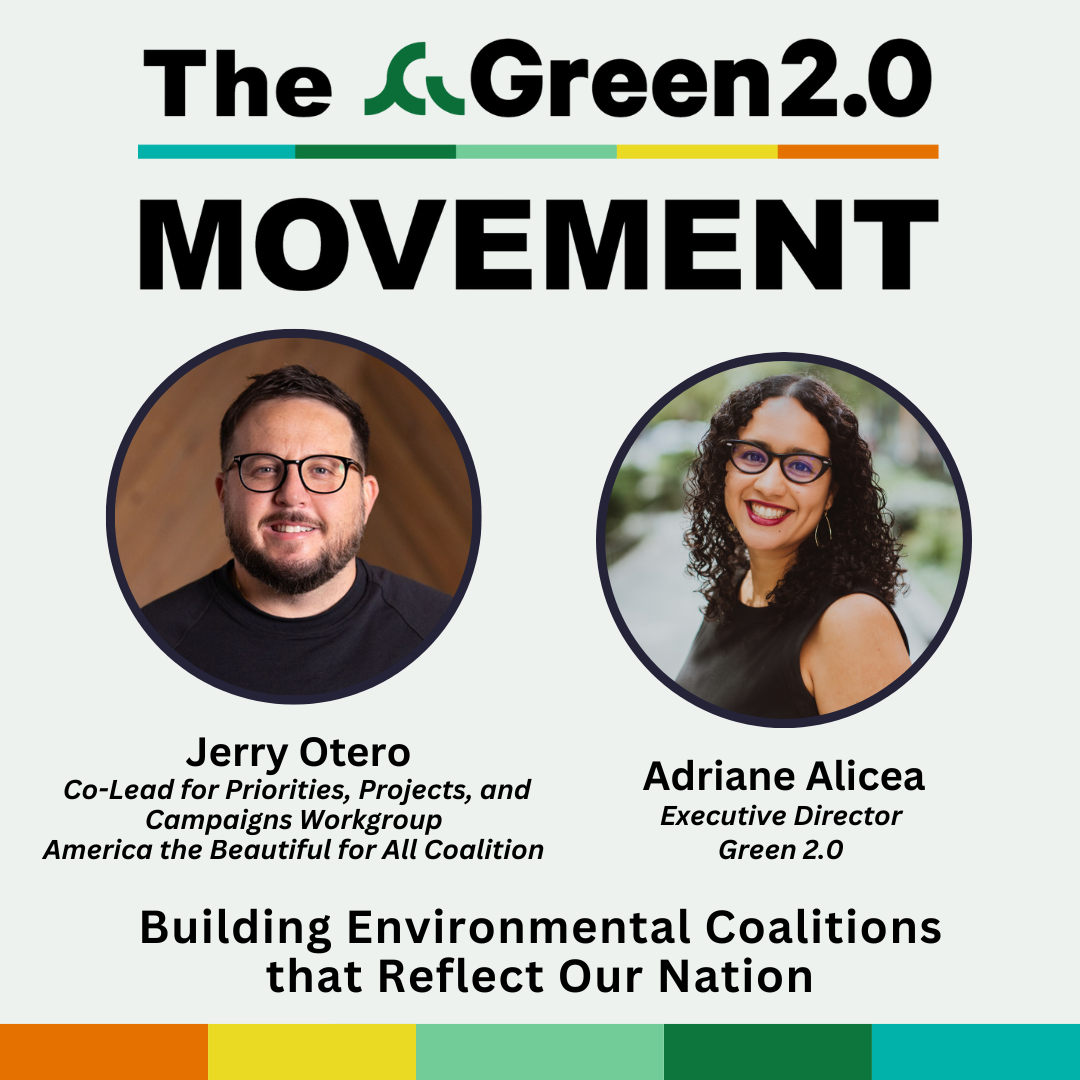
Building Environmental Coalitions that Reflect Our Nation
In this episode, host Adriane Alicea sits down with Jerry Otero, the Policy Director at the Grand Canyon Trust and Co-Lead for Priorities, Projects, and Campaigns Workgroup at the America the Beautiful for All Coalition. They discuss how the coalition aims to achieve ambitious conservation goals that protect our lands and oceans including 30x30, what it means to build consensus, and how we can work together through environmental challenges.
Tune in to learn how the coalition fosters strategic solutions and people-centered policies through participation and true consensus.
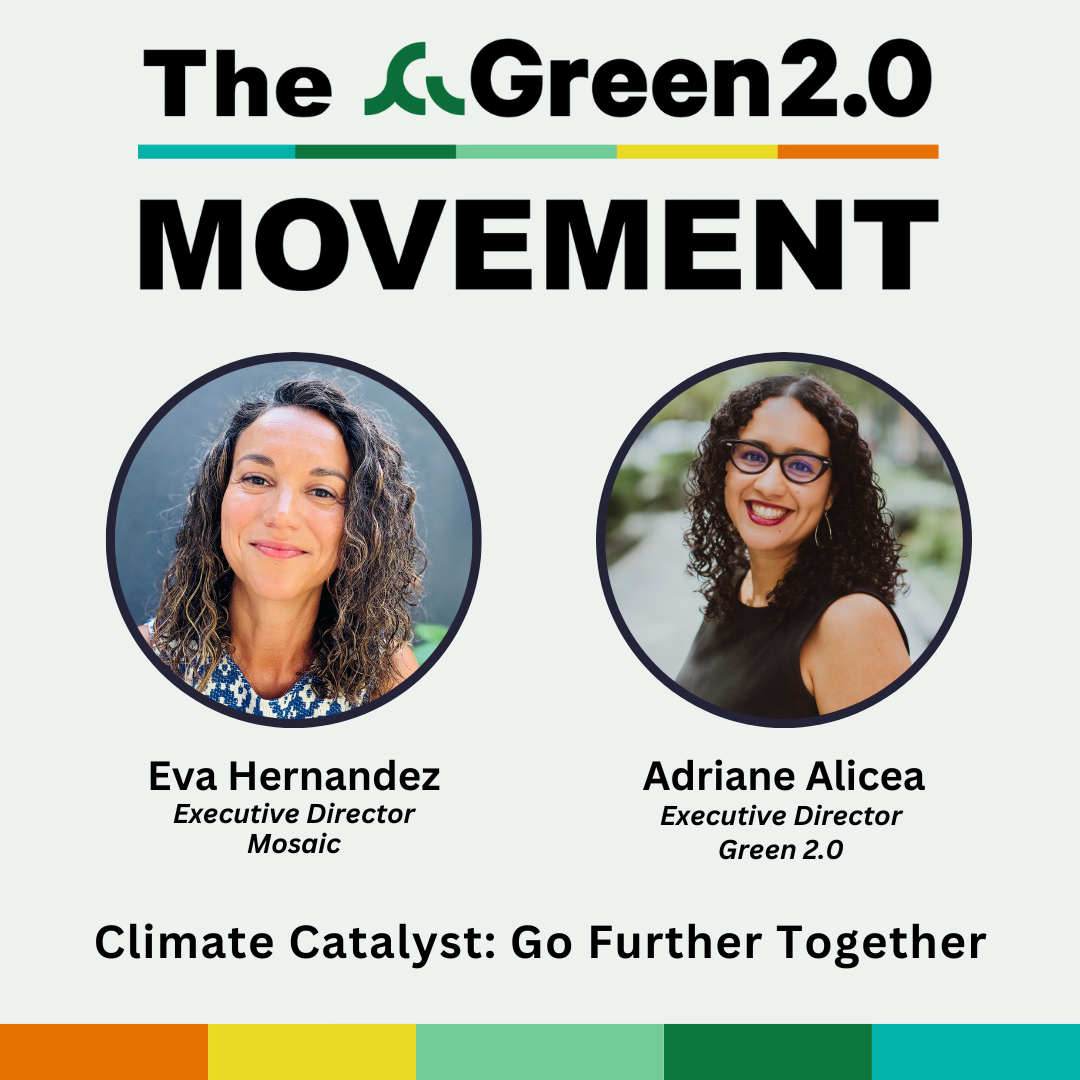
Climate Catalyst: Go Further Together
With a vast number of organizations focused on environmental justice, building a strong network to connect advocates and organizations is essential for reaching environmental goals. Grantmakers can facilitate this by creating sharing resources, and connecting the dots across the sector.
In this episode, host Adriane Alicea talks with Eva Hernandez, the Executive Director of Mosaic, about how grantmakers can lead meaningful connections within the environmental sector.
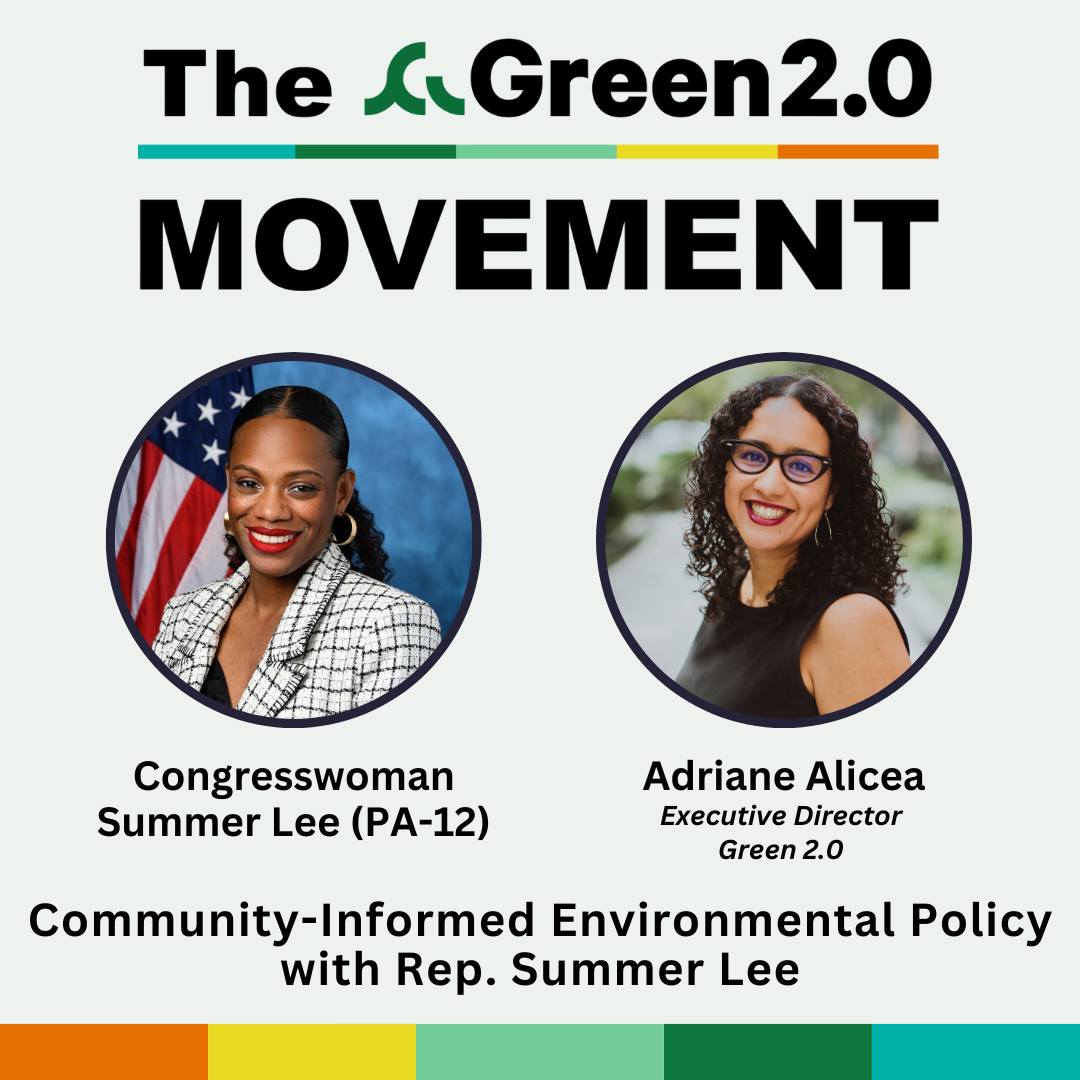
Community-Informed Environmental Policy with Rep. Summer Lee
Communities of color have historically been left out of environmental policymaking. It has been a long and continuous journey for communities to be heard on decisions that impact their health, livelihoods, and future. Congresswoman Summer Lee is an attorney, an organizer, and most importantly someone who brings her lived experience and her community into policymaking with her. She works to bring those “closest to the pain closer to the power,” so that power is shared.
Host Adriane Alicea speaks with Congresswoman Summer Lee (PA-12) about centering impacted communities in environmental policy-making.

Navigating the Environmental Sector as Interns and Fellows of Color
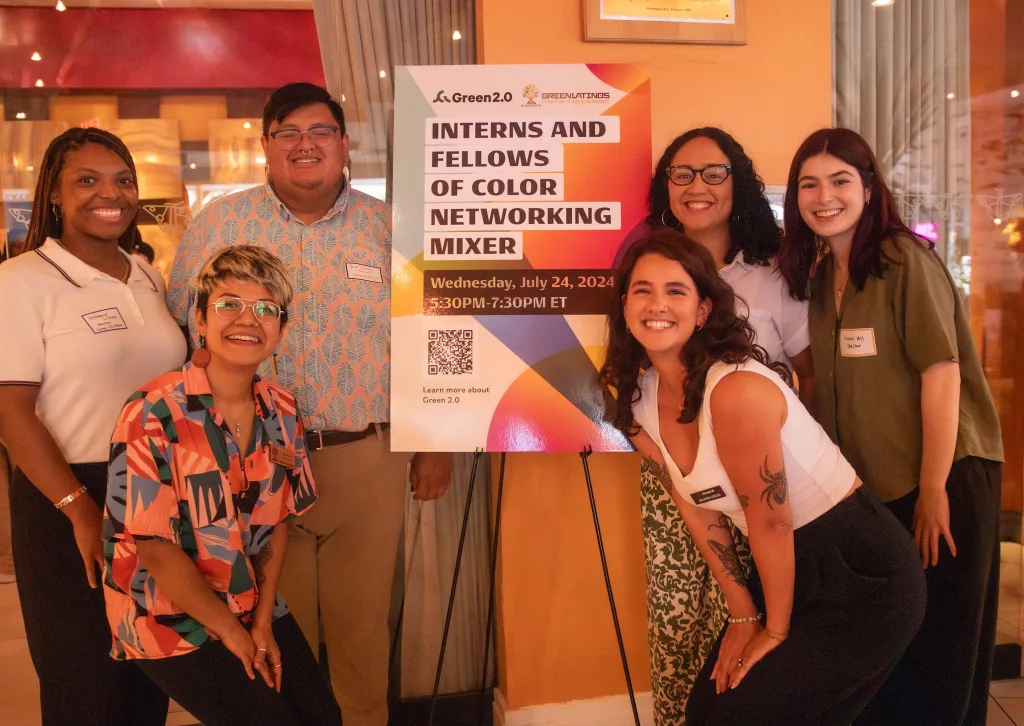
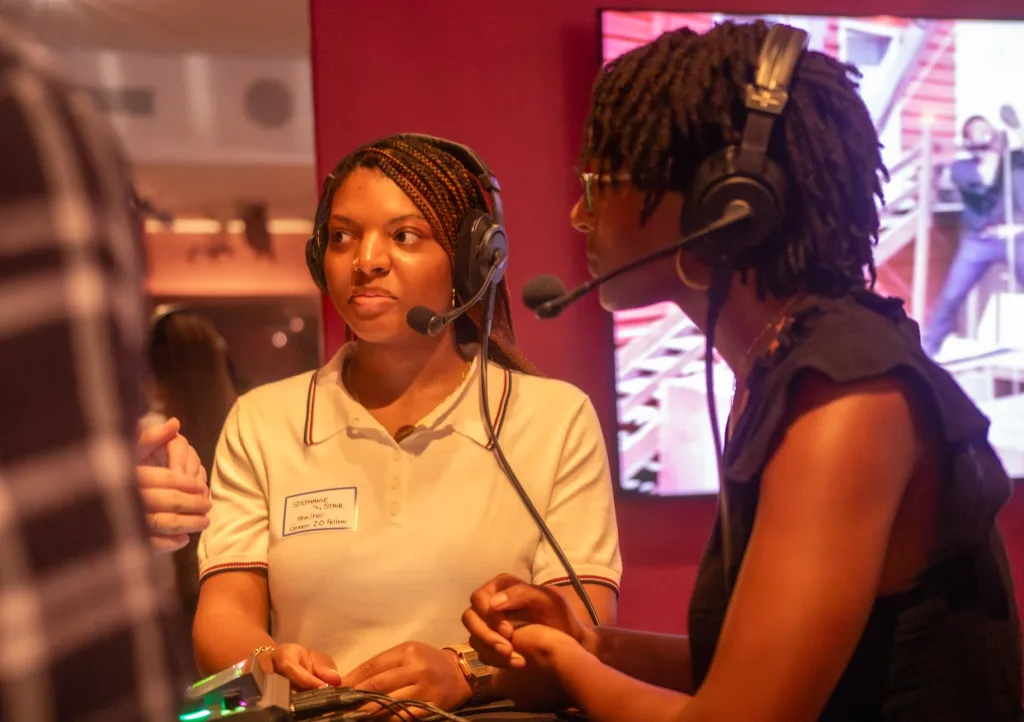
Recently, Green 2.0 hosted a networking mixer for interns and fellows of color in the D.C. area to connect and build community. We brought The Green 2.0 Movement podcast to the event to learn more about the experiences of young environmentalists of color first-hand.

Authentic Workplaces: Supporting Parents and Advancing Climate Solutions
The U.S. has a problem providing paid time off for caretakers, especially when it comes to parents. Since paid parental leave is left to employers, many parents aren’t guaranteed adequate time off to care for their families. In the environmental sector, organizations provide on average only 8 weeks of paid parental leave, while some offer none at all.
Green 2.0's Adriane Alicea sits down with Niria Alicia Garcia, Mamá, Community Organizer, Rematriation Developer, and Green 2.0 Board Member, to discuss how environmental organizations can create workplaces that support parents and families.
From Set-Up to Success: Overcoming the Glass Cliff
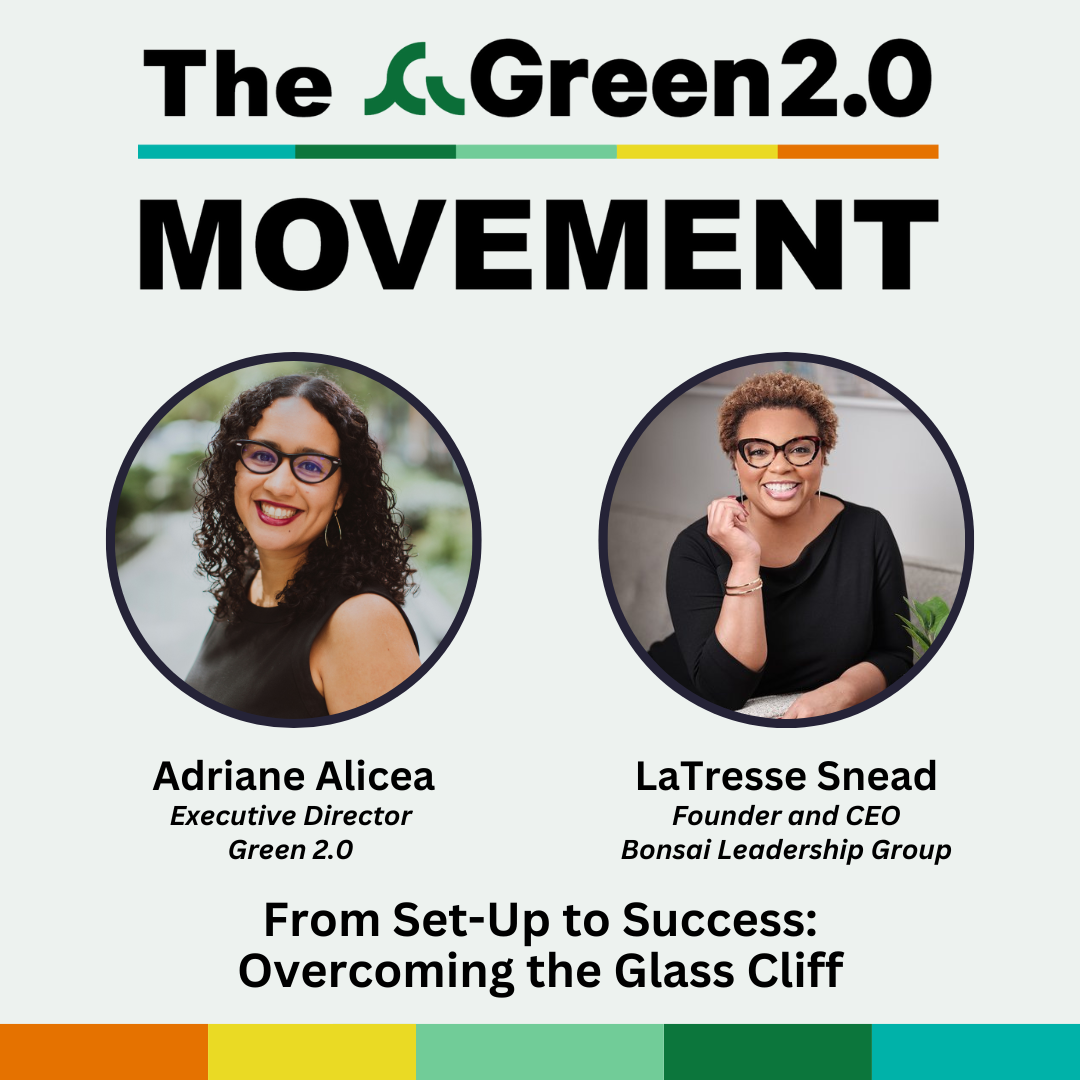
The glass cliff is a phenomenon where women and people of color are promoted to leadership positions, often during times of crisis, without the resources they need to succeed. It allows organizations to appear more diverse without making institutional and cultural changes truly needed.
Adriane sits down with LaTresse Snead, Founder of Bonsai Leadership Group, to examine the challenges facing environmental leaders who find themselves on the glass cliff and explore strategies for providing more effective support.
Philanthropy and the Just Transition
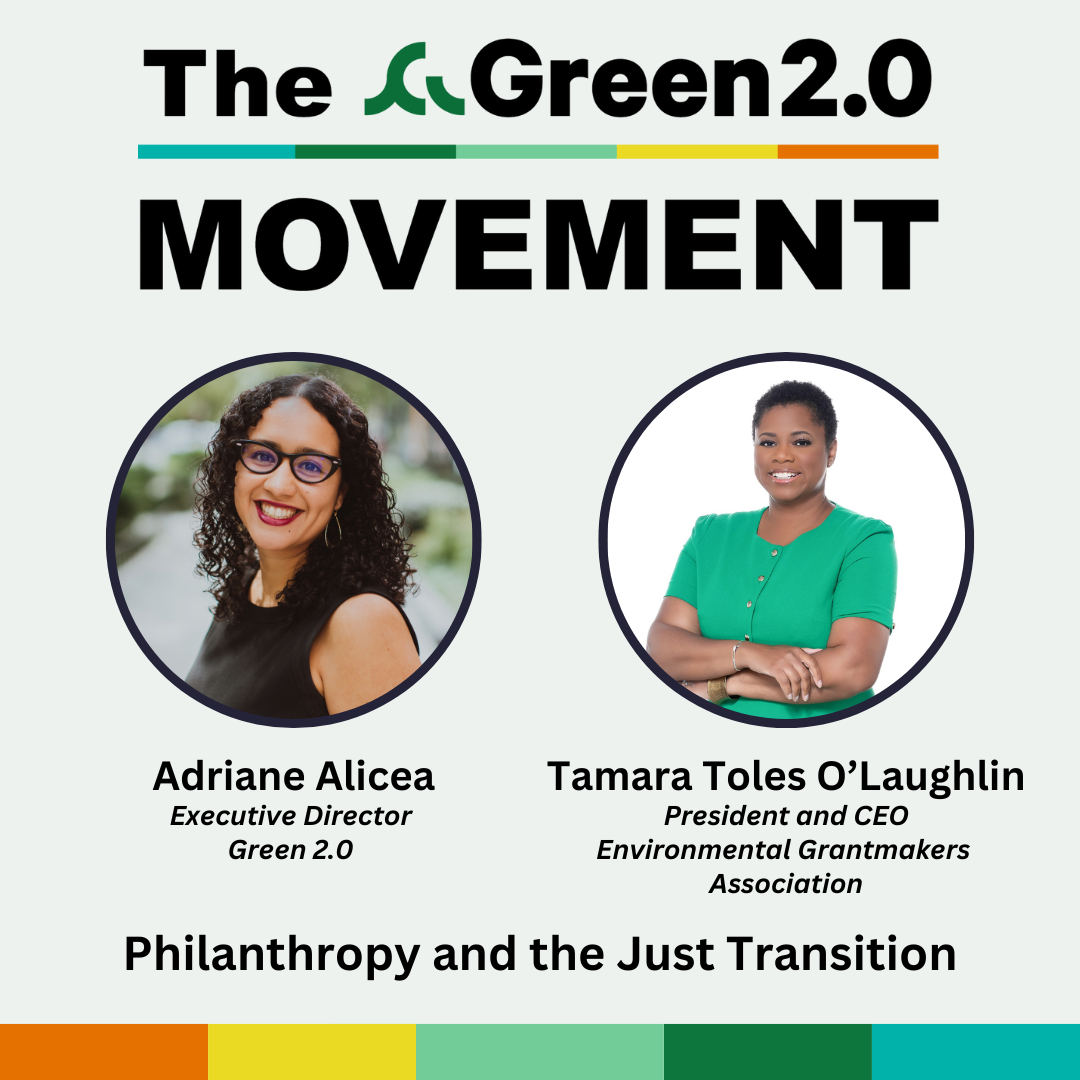
Funders can play a key role in the advancement of justice by facilitating a more equitable distribution of resources. It is essential for philanthropy to be intentional about where their funding is deployed.
Tamara Toles O’Laughlin, President and CEO of the Environmental Grantmakers Association and Founder of Climate Critical, speaks on what it will take to usher in the just transition and encourages individual donors to ask questions about the outcomes of their support.
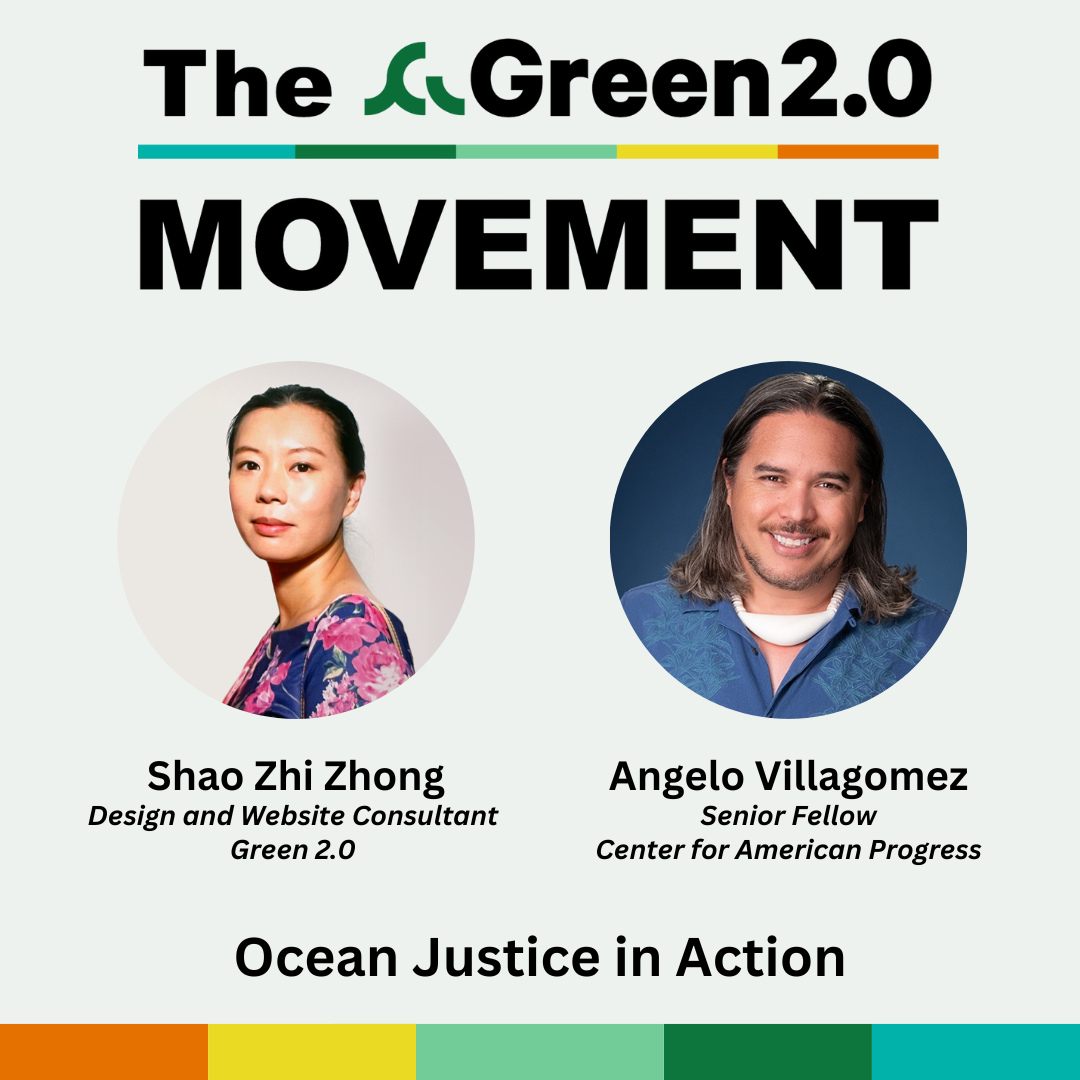
Ocean Justice In Action
Ocean justice exists at the intersection of social inclusion, ocean stewardship, and justice. It means harnessing the full participation of historically excluded communities. Indigenous people and communities of color bear the economic and social burden of climate change and conservation efforts, often without receiving the benefits.
In this episode of The Green 2.0 Movement, host Shao Zhi Zhong talks to Angelo Villagomez, a Senior Fellow at the Center for American Progress, about how we can strengthen the conservation movement and challenge colonial legacies through Indigenous knowledge and values.

Storytelling for Good
The environmental movement needs storytellers to reach our goals and inspire meaningful action — storytellers like Joel Johnson, President and CEO of the National Marine Sanctuary Foundation.
In this episode, Joel offers a glimpse into his personal environmental journey. Alongside Green 2.0’s Adriane Alicea, he emphasizes his commitment to harnessing the power of storytelling to build bridges across communities and advance environmental justice.