
Finding a job in the environmental sector is one thing, but making sure it sets you up for success is another. Doing thorough background research and creating a set of expectations for your next role can help guide your job search. In Part 2 of this blog series, environmental leaders give us their advice on how to align your next green job with your expectations and values.
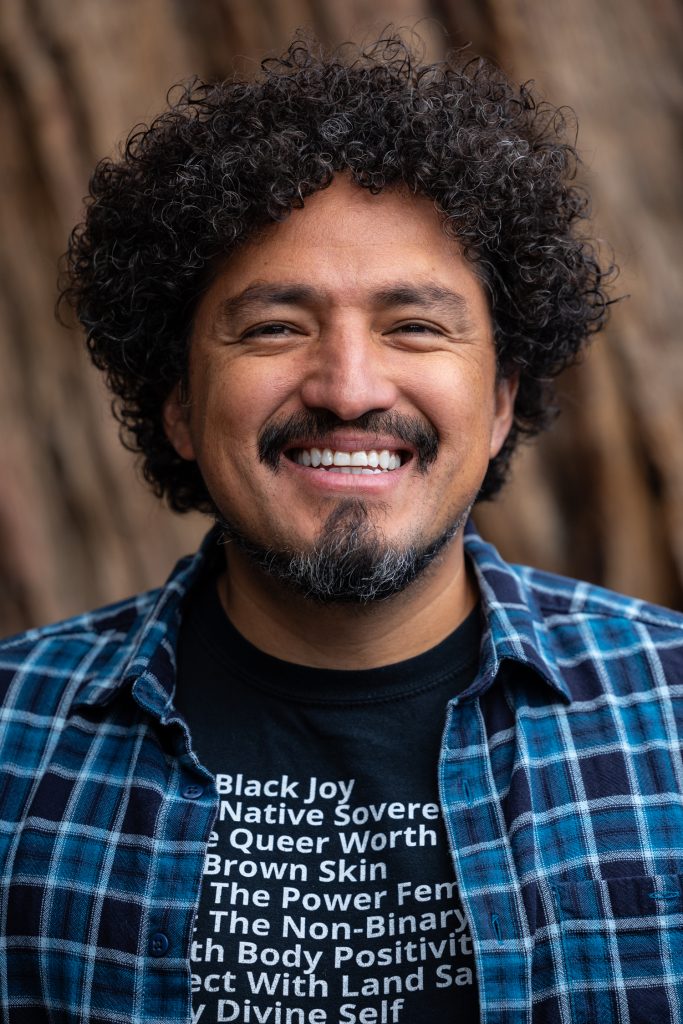
José Gonzalez, Founder of Latino Outdoors and Co-Founder of the Outdoorist Oath
While “green flags” can vary to a degree depending on individual needs and respective differences, I do think there can be some consistency in how we prepare to notice them, what noticing them can look like, how we interpret them, and then of course testing to see if they are indeed green flags to begin with. Here is one quick example from my own experience.
I can clearly remember when I was not hired for a position I thought I was perfect for, whichultimately led to the founding of Latino Outdoors. And through that experience, along with recent positions, here are two quick reminders I work to put into practice.
Understanding what you need to thrive
Reflect on what a “fit” means for you and how that relates to what you’re good at, what you need, where you thrive, and what brings you joy. It can be great when all those are present, but also pretty rare. So I reflected on what I was more predisposed to in terms of thriving. That was “creating” more than “managing” for me, so I looked for what workspaces that supported that.
Researching indicators of success and failure
Lead and inquire with research in mind. Do a review, whether it’s in the literature or through conversations with peers, as to what sets up some roles for failure and success. Is that the reporting structure? The responsibilities? The expectations? And bring those questions to the hiring process, or if you’re hired, then to evaluation conversations. That can help with assessing if the role you’re in and how you’re expected to carry it out is aligned with indicators of success or way out of the norm and then you cannot be surprised if you’re more likely to fail.
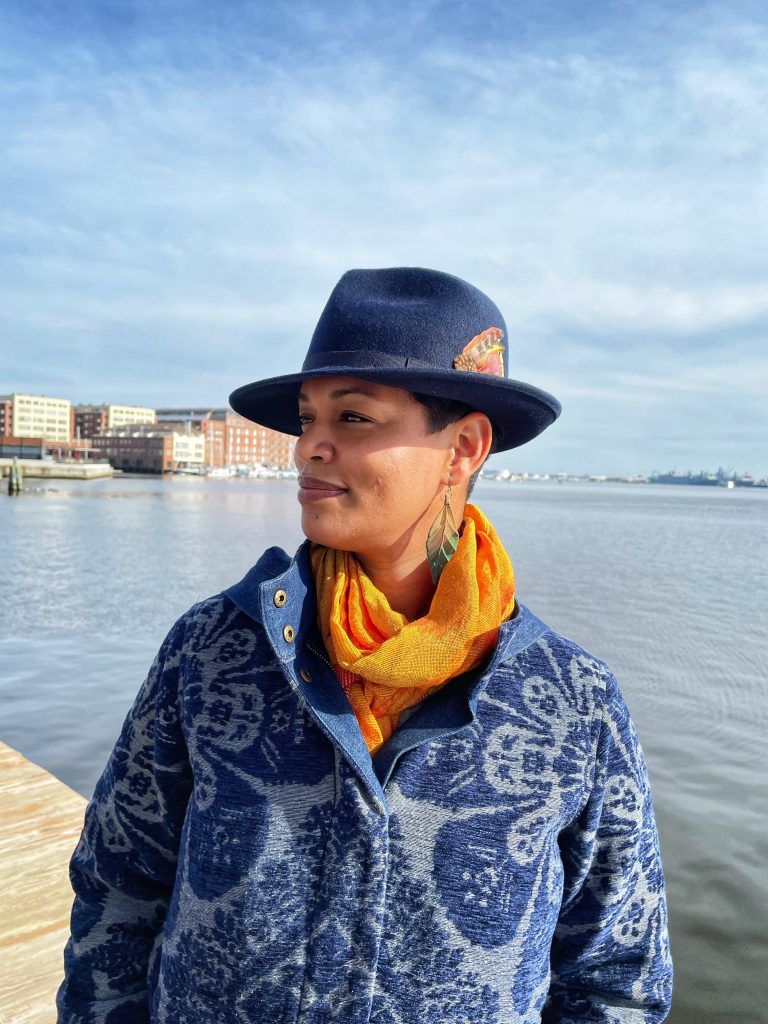
Dr. Mel Michelle Lewis, Lead Coach & Consultant with The Art of Change Agency
Demonstrated commitment to environmental justice communities
As an environmental justice coach and consultant, I encourage job seekers to identify “green flags” that illustrate the actionable steps an organization is taking to center the leadership of frontline communities most impacted by environmental hazards and climate risks. If you are passionate about serving frontline communities, research the organization’s initiatives for addressing the needs of environmental justice communities. Ask questions about sustained relationships, power structures, and long term commitments. How are frontline communities working within and in partnership with the organization? If an organization can answer hard questions about their commitment to amplifying frontline leadership and can provide tangible evidence of their continued learning and growth in this complex work, I’d consider that an excellent “green flag” for job seekers.
Lisette Perez, Program Associate at Restore America’s Estuaries and Green 2.0 Fellow Alumna
Navigating the workforce can be challenging, especially without guidance. Here are some green flags to look for when searching for environmental jobs:

Job Description Clarity
A vague job description with unclear responsibilities, qualifications or expectations can be considered a warning sign. Phrases like “wearing many hats” or “flexible with duties” could lead to a high workload and lead to unnecessary responsibilities.
Professional Development
Does the job provide opportunities for professional growth? This can include stipends for conferences or training. It is important, especially if you are new to the workforce, to receive mentorship and guidance to support your overall professional growth.
Biographies of contributors
José G. González is a professional educator with training in the fields of education and conservation. Heis the Founder of Latino Outdoors, Co-Founder of the Outdoorist Oath, as well as having served as a consultant at large as a Partner at the Avarna Group and his own consulting. He currently serves as the inaugural Equity Officer for the East Bay Regional Park District. His work focuses on Equity & Inclusion frameworks and practices in the environmental, outdoor, and conservation fields. He is also an illustrator and science communicator. He received his B.A. at the University of California, Davis, with teaching coursework at the Bilingual, Multicultural, Education Department at Sacramento State. He received his M.S. at the University of Michigan School of Natural Resources & Environment. He serves as a board member at Parks CA as well as a Commissioner for the California Boating & Waterways Commission, along with having served in a variety of other board and voluntary leadership roles in several conservation and outdoor industry organizations. He also appreciates a witty pun.
Dr. Mel Michelle Lewis is Lead Coach & Consultant with The Art of Change Agency, cultivating critical voices and creative visions for sustainable practice, structural change, environmental justice, and social transformation. Rooted in the Gulf South’s folklore, dialect, foodways, music, art, and landscapes, their creative work explores nature writing themes in rural coastal settings through the lens of Black, Creole, and AfroIndigenous knowledges. Their book Biomythography Bayou is available via The Griot Project Book Series at Bucknell University Press. Their forthcoming project Waterbody is supported by American Bird Conservancy‘s Afrofuturism Collective and Re:wild.
Lisette Perez is a Chicago South Side native with a passion for environmental justice and education. She discovered this passion at the University of Missouri-Columbia, where she studied Natural Resources Science & Management. After graduating, she worked as an interpretive ranger in the Tongass National Forest in Juneau, Alaska—the largest national forest in the U.S. She has also contributed to advancing equitable marine policy with the Oregon Department of Fish and Wildlife and led various initiatives with the Field Museum of Natural History in Chicago. Lisette is an inaugural member of the EPA’s National Environmental Youth Advisory Council, where she advises EPA leadership on policy implementation. Currently, she is a Program Associate for Restore America’s Estuaries Great Lakes Environmental Justice Grant Program helping to ensure environmental justice in our Great Lakes communities. She is committed to creating a more sustainable and just future for all.