

Building a Justice-Centered Garden
By Ogechi Hubert
Ogechi Hubert, Green 2.0’s Summer Fellow, is an environmental justice advocate and interdisciplinary artist based in Los Angeles, driven by a passion for creating community-centered, creative solutions to today’s most pressing environmental challenges. She recently graduated from the University of California, Los Angeles with a B.S. in Environmental Science and a minor in Environmental Systems and Society, where she developed a strong foundation in environmental policy, climate adaptation, and equity-focused sustainability work. In her blog, Ogechi explores the importance of justice-centered gardens and shares tips on how to create one.
The ways in which we intentionally interact with nature, although varied, keep the multigenerational ties to our land alive. Throughout history, there are multiple examples of how humankind’s relationship to nature is intertwined with the living beings that surround us, and how nurturing that relationship leads to a mutually beneficial relationship.
This connection to nature has been used as a tool for resistance and justice, we’ve seen examples of this in enslaved Black people weaving seeds into their braids for food access to crops from the motherland. We’ve seen it through Wangari Maathai who seed by seed, reforested Kenya and how Harriet Tubman aided Civil War soldiers and peacefully put crying babies to sleep using her intimate knowledge of herbalism. We can honor our histories, cultures, and current needs when we create a justice-centered garden.
Justice-centered gardening is cultivating a space where communities can easily access affordable, healthy, and culturally relevant foods while simultaneously supporting the ecosystem they inhabit. Socioeconomic status, race, and even your zip code all determine your access to education, healthy foods, and green spaces which in turn affects your quality of life. Justice-centered gardening utilizes traditional ecological knowledge, community building, and horticultural expertise to remove those barriers. It differs from a traditional garden by focusing on utilizing our knowledge and relationships with nature to strengthen our communities and aid our revolutions. There is a focus on the interconnected ecological relationships and the part you and your garden plays in it.
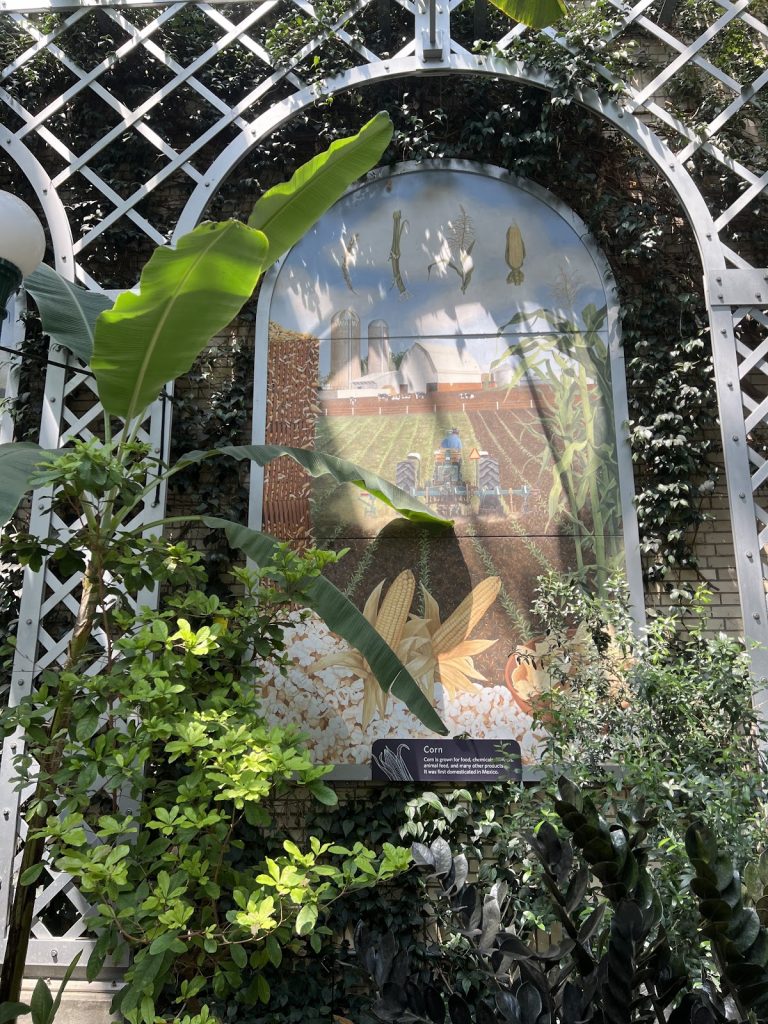
To create a justice-centered garden, focus on the 4 C’s: Curate, Cultivate, Community, and Chaos.
Curate: When curating your garden, you want to take your space into account. The physical dimensions, lighting/directional relationship to the sun, soil composition, and growing zones are all factors to consider when choosing which plants to plant and where they should be planted. Make sure to incorporate aspects of your personality throughout the garden. Your favorite color, scents, flavours etc. can be referenced in a multitude of ways and can help spark joy when you interact with them.
Cultivate: To help cultivate your garden, realize that it is a living ecosystem, one that you are also a part of, not in charge of. Examining your relationship to the land is key, as having respect for the Earth and its tiniest organisms and how you all work in a system will not only create a more meaningful experience, but a thriving ecosystem. Utilize methods that create healthy environments like integrated pest management and intercropping.
Community: Community is an integral aspect to justice-centered gardening, it utilizes the garden to bring the community together while in turn the community takes care of it. Something as small as giving out some fresh produce or giving away some extra seedlings to a friend is a great way to start building connections with your neighbors through your abundance.
Chaos: You have to account for some level of chaos in your garden. This can look like you randomly throwing seeds around and seeing what ends up growing, it can look like aphids taking over your favorite plant out of nowhere. It’s best to stay flexible and practice working through those bouts of chaos through relying on our resources.
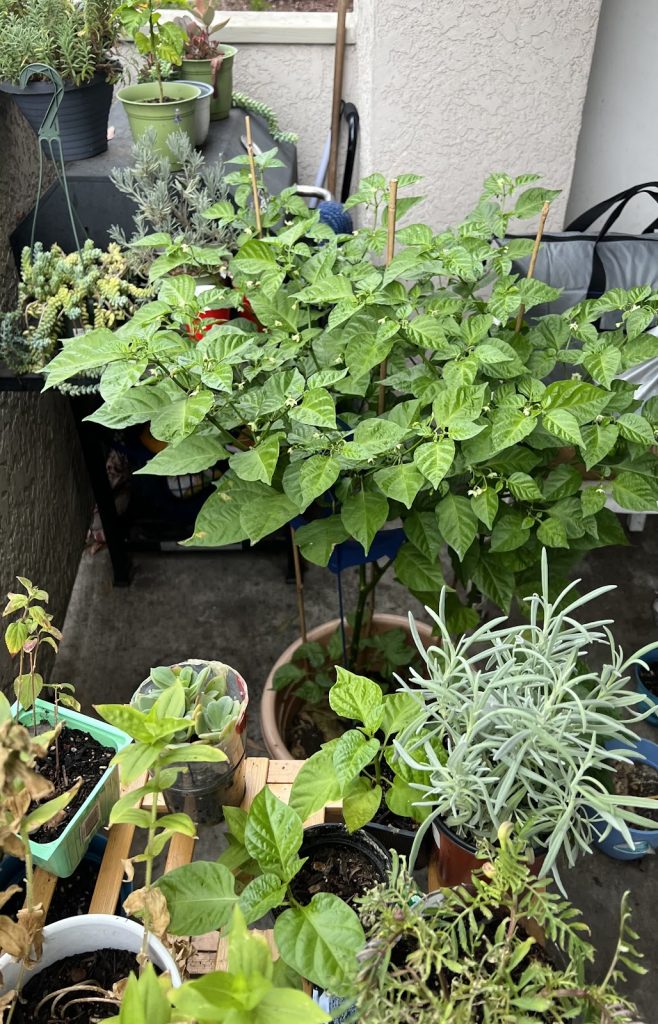
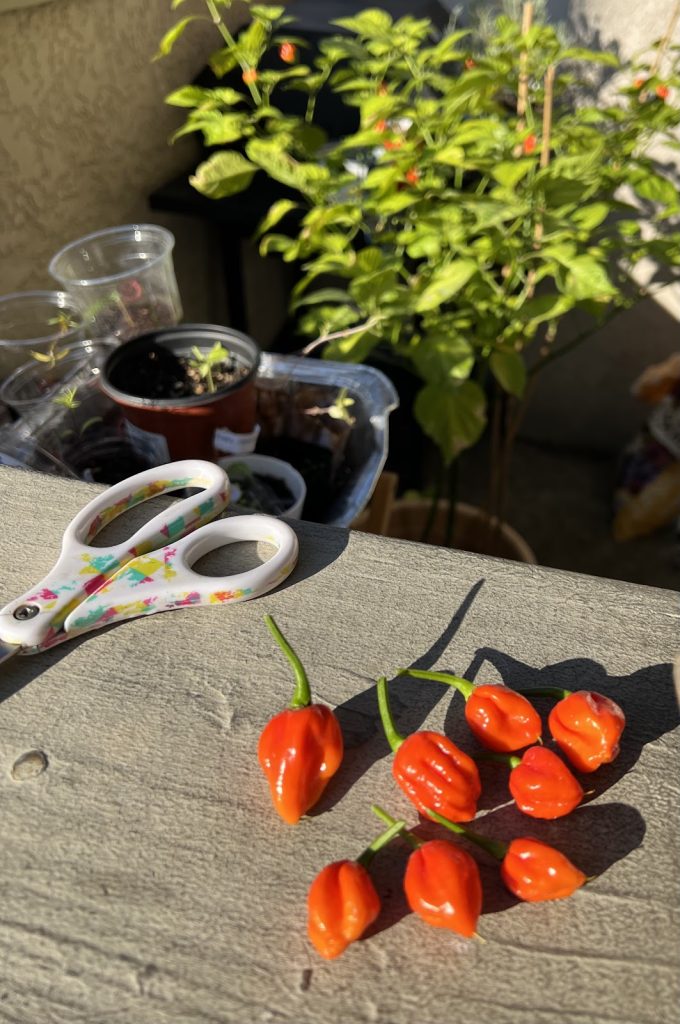
From my gardens first year, pictured are Scorpion peppers.
Even if it’s just three pots on your apartment balcony, it’s important to have access to green spaces and foods that are culturally relevant, medicinal, or beneficial to their environment. This gives us a chance to connect with ourselves, the land, and our neighbors in a regenerative and mutually beneficial way.
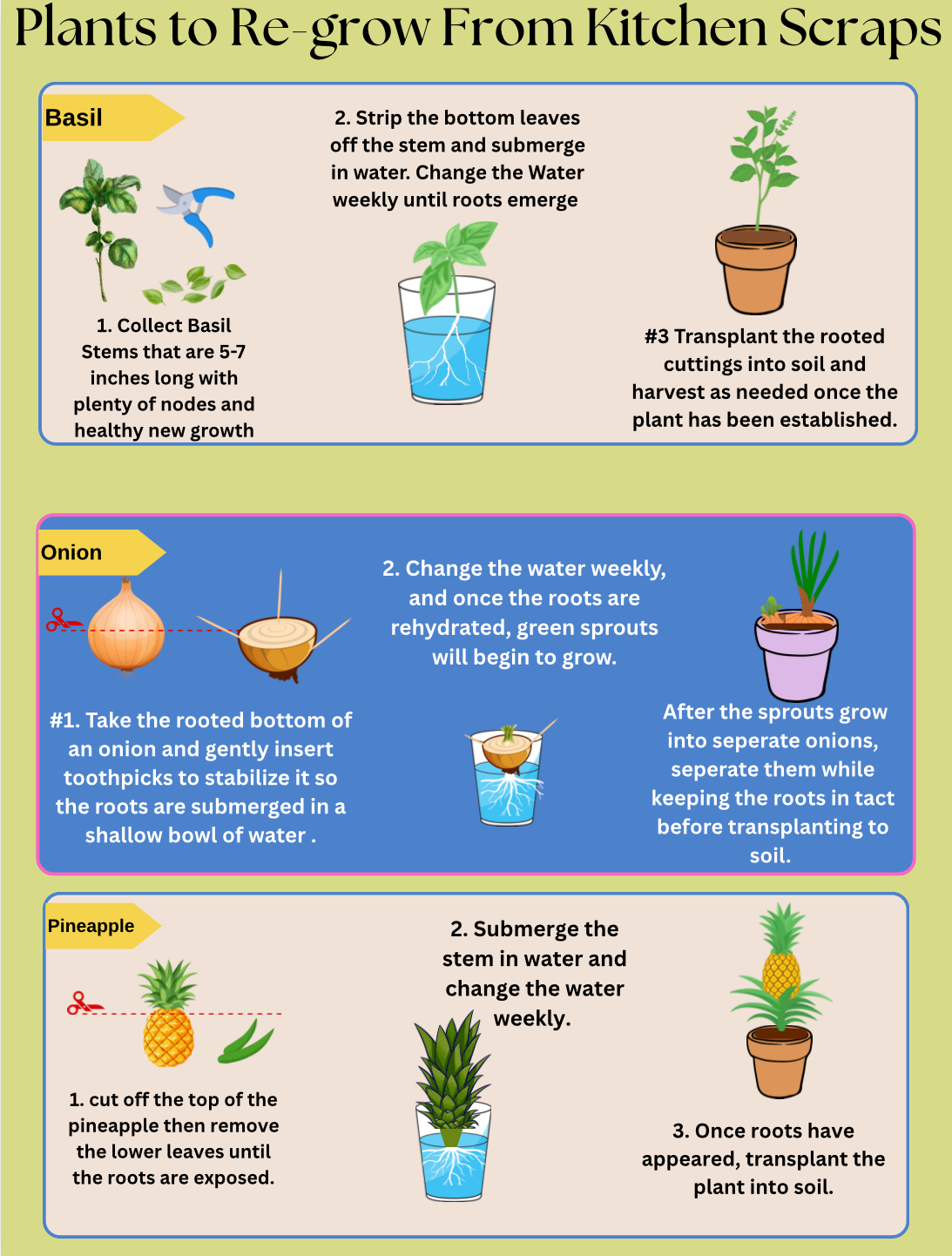

Click on the image to enlarge.