
Behind the Scenes with Filmmakers: Raising Aniya, A Q&A with John Fiege
By John Fiege
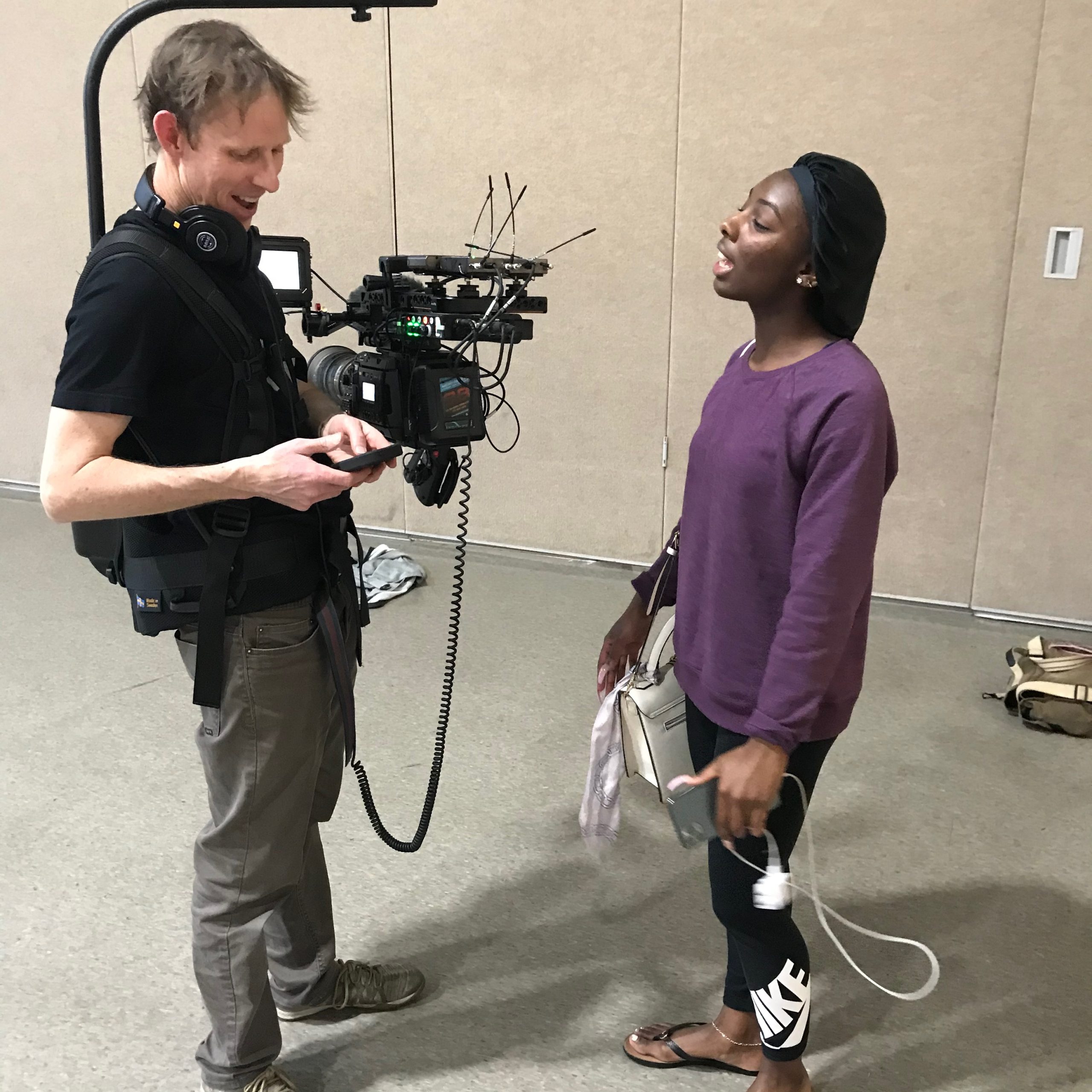
John Fiege is a director, cinematographer, and photographer whose films have played at SXSW, Cannes, Museum of Modern Art, Hot Docs. In this interview, he discusses his latest film Raising Aniya, which tells the story of Aniya Wingate, a 16-year-old dancer, who sets out on a creative journey to choreograph and produce a performance to heal her spirit after Hurricane Harvey.
Q: You just had your first screening of Raising Aniya at the DC Environmental Film Festival. What was that like?
Raising Aniya premiered at the National Academy of Sciences and it was a wonderful experience. After a decade-long journey to complete this film, it was emotional to watch it on the big screen with much of the cast and crew, plus my family and friends. Afterwards, during the panel, it was surreal for me to hear the protagonists talk about their impressions of the final cut of the film. Each audience member also had their own experience watching the film, and it was great to get a glimpse at the range of people who came to see it. The screening happened as the current administration is systematically destroying the federal regulations and agencies intended to protect Americans and our environment, and to hear from EPA employees at the screening was powerful.
Q: This documentary centers Aniya, a young dancer from Houston, as she navigates the aftermath of Hurricane Harvey. Can you tell us what led you to this story, and what pieces resonated with you?
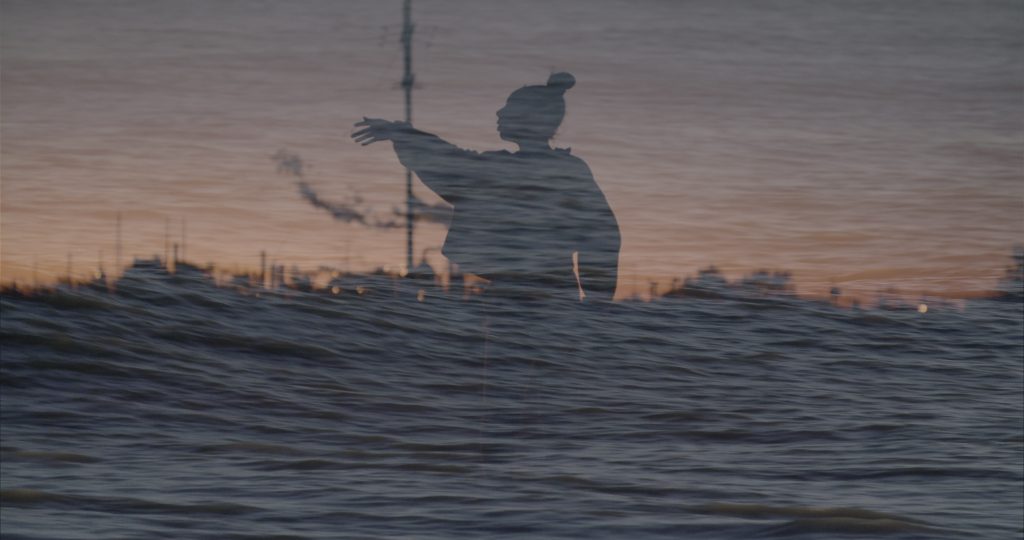
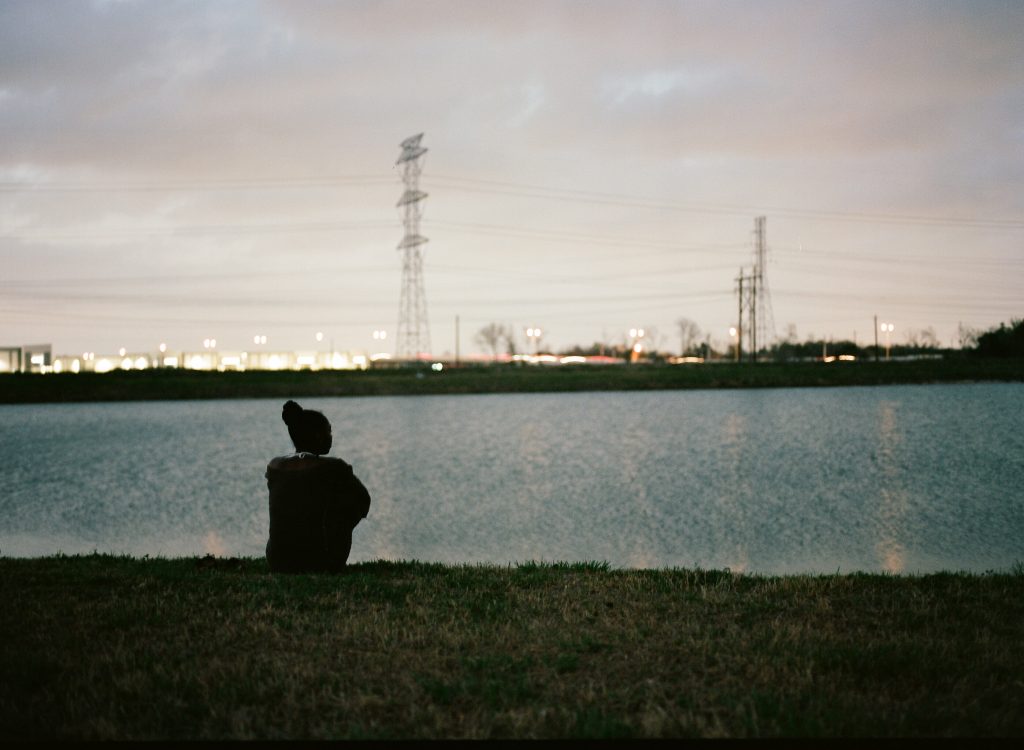
I set out to make an experimental film centered on the arts and environmental justice on the Gulf Coast. My original vision involved a wide range of artists responding to environmental justice through dance, poetry, visual art, and music. Early in the process, I reached out to the Urban Souls Dance Company in Houston, and they were enthusiastic about collaborating on a short work sample for the film. It was on that shoot, in Baytown, Texas, when I first met Walter Hull, who was a co-founder of Urban Souls. He brought several of his young dancers, including 14-year-old Aniya Wingate, who was the stand-out dancer in the work sample. I slowly developed the film but wasn’t sure where to center the story. The following year, Aniya was displaced from her home when Hurricane Harvey caused flooding in her neighborhood. Walter and I quickly realized that there was a compelling story in Aniya’s journey to recover from the hurricane. I made a quick trip to Houston to spend a day filming with Aniya as she moved back into her home after the flood remediation. Right away, I saw how warm, open, and thoughtful she was. Walter then had the idea of Aniya taking the lead in creating a dance performance about her experiences and environmental justice on the Gulf Coast. We then spent the next two years following Aniya on this path.

Q: What do you think the role of filmmakers and storytellers is in the realm of our global ecological crisis?
This is an active question that I ask myself continually. For me, the difficulty of the question is not in the importance of storytelling in fostering public understanding of the global ecological crisis and motivation to act—I believe storytelling is essential for spreading truthful and revelatory information and getting people to act on this knowledge and insight. Rather, the difficulty lies in the rapidly shifting media landscape and the ability of filmmakers and storytellers to reach broad audiences. Over the past couple of decades, I’ve seen the number of platforms and avenues for connecting with audiences grow exponentially; while at the same time, I’ve seen how connecting to a broad audience through a feature-length documentary has become extraordinarily difficult, precisely because of the rapid expansion of platforms and the endless multitude of content that populates them. The quality of equipment has gone way up, while the price of equipment has gone way down; but at the same time, raising money for a film is more difficult now than it’s ever been during my career. The shift toward small screens and social media content has been extremely destructive to documentary film and to the public’s appetite for long-form, nuanced, and challenging stories.
Last year, I was awarded a grant from the National Endowment for the Humanities (NEH) for a new project about waste and the circular economy in New York City. At the beginning of April, the current administration cancelled the grant before I accessed these critical funds. I believe there’s a good reason that some elected officials want to save TikTok, while moving to destroy NEH and other cultural institutions that fund long-form, incisive media that explore topics deeply and ask difficult questions.
The documentary form is a threat to totalitarianism and the marketplace of willful ignorance and hate, and long-form storytelling is essential to democracy. Both are under grave threat at the moment. Nationalist movements have forged their anti-democratic and anti-ecological narratives with a seemingly endless amount of funding from corporations, billionaires, and others who stand to profit and gain power through systems that are destroying the ecological health of the planet and democracy. The funding of filmmakers and others who are committed to democracy, justice, truth-telling, and ecological health pales in comparison. I believe we will continue to lose this narrative struggle if the funding gap remains so large.
Q: Throughout your journey as a film director, is there a person or project that kept you going?
Being a filmmaker is precarious for many reasons: financial, emotional, political. My partner, who has also been a producer on most of my films, has provided stability throughout my career, which has been essential to my survival. When there was no money coming in, it was her steady job that kept us going. When I was devastated by a problem with a film, she’d be there to help talk me through it. When I got cancer, it was her health insurance that saved my life. I haven’t made it this far by myself.
Q: To anyone who dreams of becoming a filmmaker, what message do you have for them?
First, figure out what kind of stories you want to tell, and throw yourself into them, regardless of what it seems the market wants. A good passionate story will find an audience. Second, find others you like and you can count on to make films with you. Figure out a way to pay them, even if it’s through shared commercial work. Filmmaking is a collaborative art. Third, make sure you have a way to make money, regardless of how successful the films are. Filmmaking almost never makes more money that it costs. You still need to eat.
Q: Do you have anything else you would like to add?
We would love to hear from anyone who would be interested in hosting a screening event for Raising Aniya. Universities, in particular, are essential partners in the engagement plan for the film. Please reach out at fiegefilms.com to connect. For anyone who would like to support this work and be the first to learn about our upcoming projects, please subscribe to my environmental podcast at ChrysalisPodcast.org.

Learn more about the film and watch the theatrical trailer at fiegefilms.com/raising-aniya.