
In the environmental movement, our work is our passion, and we often feel like we must do everything we can to fulfill that mission. For leaders of color who are fighting to protect the environment and their own communities the pressure to prioritize work and mission is even more ever-present. We asked leaders more about this pressure, how their organizations demonstrate their commitment to work-life balance, and how they prioritize it themselves even when it’s difficult. They share their thoughtful responses below.
Ebony Twiley-Martin, Founder, The Regenerative Leadership Lab

What I’ve learned is that because our work is our passion, we often struggle to maintain a healthy balance. Our work becomes a lifestyle, not just a job from 9 to 5. We carry the principles of sustainability into every part of our lives, except, ironically, our own. That’s why establishing boundaries has been essential for me: I create blocks of time to disconnect and I’m fiercely protective of them. As a leader, I believe it’s just as important that we create this time for our staff and protect it for them. When things get especially busy and work starts to bleed into personal time, I make sure to create space for the whole team to take personal time and disconnect.
Rena Payan, Chief Program Officer, Justice Outside

“The path to liberation must be liberating.” I think about those words often, including when I think about what work-life balance means at Justice Outside. Policies like unlimited PTO, flexibility in when and how we work, an annual self-care stipend, and a home office stipend give us room to be people first, and for me, that matters deeply. As someone who helps care for my father, who has dementia, that flexibility has meant being able to show up for him without constantly feeling like I have to choose between being a good daughter and being good at my job.
Being neurodivergent and working from home has taught me even more about how much I benefit from having the freedom to shape my environment, my time, and even my rest around what I actually need to be well and do good work. Learning what balance looks like takes time, especially to unlearn the colonial constructs of grind culture and messages that teach us that our worthiness depends on our ability to produce. Having worked since I was 13 years old makes me deeply grateful to now work somewhere that gives me the tools and trust to figure it out, and reminds me that doing work in service of a more just world should not require us to sacrifice ourselves along the way.
Mark Losavio, Conservation Policy Manager, Aquarium Conservation Partnership
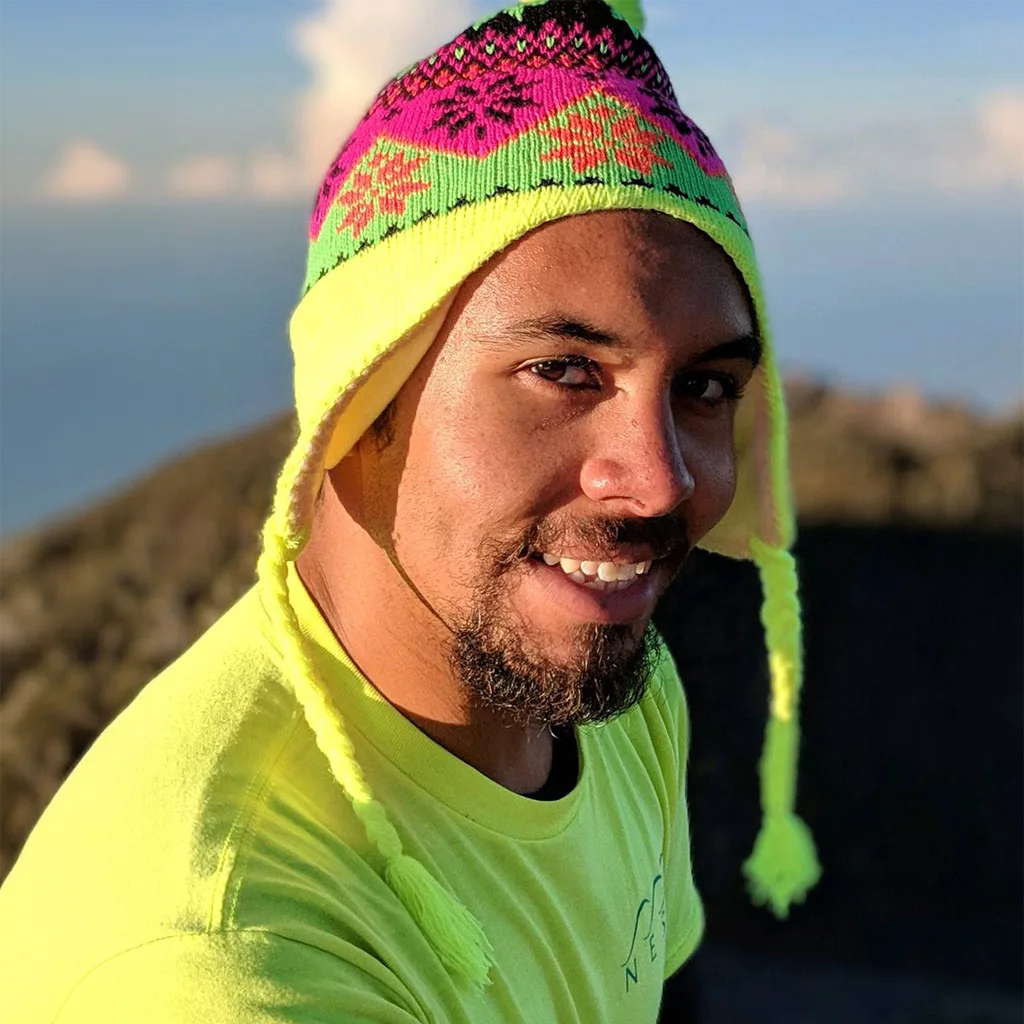
I think the best way I’ve felt that work life balance is valued in my life is when I see others in my organization, particularly people in leadership demonstrating and embodying that themselves. I feel way less comfortable taking a day off if my boss famously hasn’t done so since Clinton was president. Being able to set the tone of your leadership is an important quality but using that power to facilitate the wellbeing of those you lead is much more admirable in my book.