
The Green 2.0 Mentorship Database was launched to close the mentoring gap in the environmental sector and provide tangible relationships and pathways for all communities in the sector. While mentoring can take on many forms, one of the key questions we had for our community is: What makes or breaks a mentoring relationship for them? They shared their responses with us below!
Caitlin Ung, Environmental Justice Professional

My best mentoring experiences have come from dynamic informational interviews that sparked new discoveries and turned into lasting network connections. My worst experiences have been rooted in unresponsiveness, busy schedules often prevent the significant time it takes to build rapport, trust, and mutual confidence. It has also been difficult to find mentors in decision-making positions who share my specific lived experiences and desired trajectory. Ultimately, I’ve learned that mentorship has its seasons, and value can be found in short-term guidance just as much as long-term bonds.
Cameron Oglesby, Founder and Executive Director, Environmental Justice Oral History Project
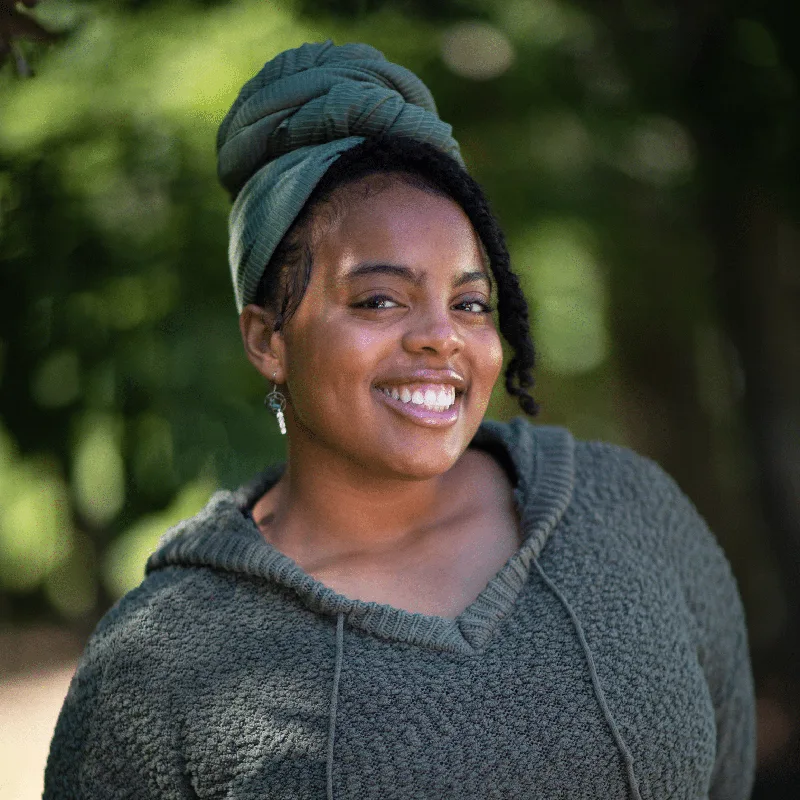
The strongest mentorship experiences I’ve had – both as a mentor and a mentee – have been grounded in a genuine investment in each other. Some of the least helpful experiences came from structured mentorship programs: I’d get matched with someone, we’d have a conversation, they’d share a bit about their journey, and that would be it. No one went out on a limb. There was no provision of real resources – connections, introductions, feedback on actual work, offers of physical or financial help.
The best mentors I’ve had were willing to build with me, to put their resources behind my work, my brand, or my idea. That’s a privilege, of course, one earned through hard work, and not something to hand out lightly. But now that I’m a mentor myself, I’ve come to see that the real hallmark of the relationships I’m cultivating is my willingness to actually invest: making a critical introduction, crafting a letter of recommendation or putting forth a nomination, giving tangible and critical feedback on real projects, and sometimes putting my own organization or brand behind someone’s project.
That’s what moves a relationship from generic advice to real knowledge-sharing, from talking at someone to going through the trenches with them. And it changes what the mentee brings to it, too. Knowing that someone trusts you enough to put their name and resources on the line gives you every reason to put your all into it.
Shantha Ready Alonso, Executive Director, America the Beautiful for All Coalition

My mentoring style is informed by the skills I learned in my first job out of college as a faith-based organizer who tapped into others’ self-interest. While I supported youth to advocate for parks, I learned that my job was not to tell people what to believe or aspire to. Instead, it was to encourage them to live up to their own commitments and give them opportunities to live into those commitments.
The best mentoring I’ve done has been with people who arrived with a very different skill set than mine, and they weren’t shy about it. The mentees who have taught me the most were the ones who pushed back when my approach didn’t align with the skills and priorities they brought into the work. What made them memorable wasn’t deference. It was their willingness to say, “I see a gap here,” and then stay long enough to help fill it. It was my role to be curious about their approach, help to draw out their strengths, and resource their version of excellence. As the environmental movement welcomes a more diverse group of people, we need mentors who can resist the urge to shape someone in their own image and instead ask: what does this person see that I don’t notice?