
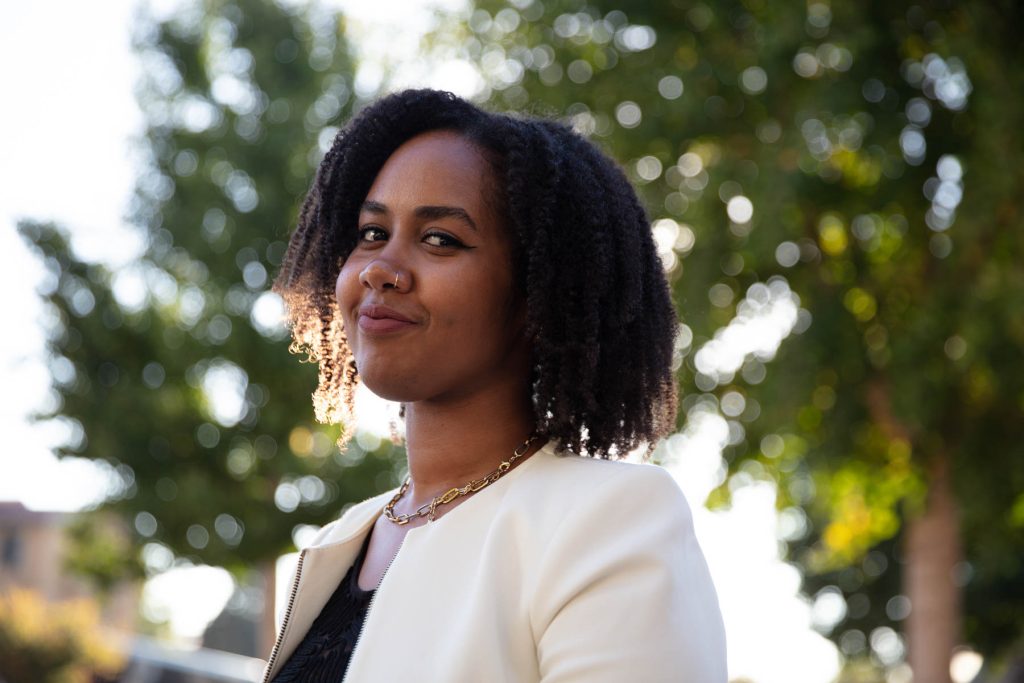
A Q&A with Candice Youngblood
Candice Youngblood is a passionate environmental justice lawyer and advocate. In 2020, she founded Youth on Root, a California-based nonprofit project whose mission is to center low-income youth and youth of color as change agents in their communities by providing tools for learning from each other and opportunities to use their unique power to promote environmental justice. Candice currently practices law at Earthjustice, where she focuses on issues at the intersection of clean transportation and racial justice.
Q: How does your background shape the way you represent community voices in the courtroom?
A: I grew up in Greater Los Angeles and the Inland Empire, which has some of the nation’s worst air quality and highest rates of diesel pollution and respiratory illnesses like asthma. My family was working class, and my dad was a truck driver. Believing that I would get a better education in a more affluent neighborhood, my mother used a friend’s address so I could attend a different school. As one of few Black students in my classes, I was often mocked. Some of the moments that stuck with me most were during physical education. Every week, I struggled during the mile run due to my asthma and endured classmates joking about how Black kids are supposed to be fast runners. I did well in school but could never earn an A in physical education.
When I went to the University of California, Berkeley, I was enrolled in an environmental health class where we discussed the cumulative effects of environmental hazards and social stressors that low-income communities of color often face. My professor used a case study on air quality disparities in my home, the South Coast Air Basin, to illustrate the concept. As she lectured about how Black children are more than twice as likely to be hospitalized for asthma, it dawned on me that I was the subject of this lecture. Since I grew up in spaces where I was often the sole Black student, Berkeley’s student demographic—which was only three percent Black—had never fazed me. But on that day, I could not help but feel how different I was from the rest of my classmates. I remember feeling so angry that I had gone so long without knowing or realizing any of this. But it also propelled my fight for community empowerment and catalyzed a career in environmental justice.
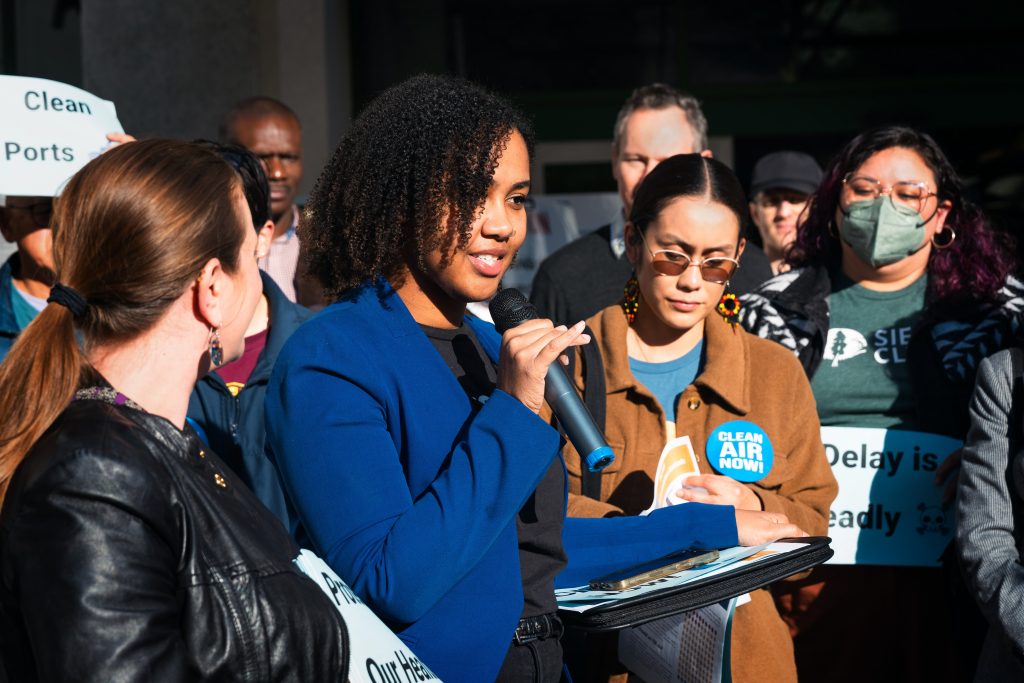
After graduating from college in 2015, I worked at Earthjustice as a litigation assistant. I supported attorneys who represented frontline community members fighting for their right to breathe. When we mobilized at our regional air quality agency’s hearings, I remember watching community members bring their children’s inhalers and nebulizers during public comment to show decision makers the costs of their decisions. I realized that there was so much power in sharing stories like mine, of upbringings on the frontlines of health hazards. That ultimately led me to law school.
Now I’m an attorney who represents and partners with freight-impacted communities, and my lived experience with these issues really shapes my advocacy. It allows me to connect and build trust with my clients, because we have similar backgrounds. I also share my story when I’m testifying before agencies pushing them on our clear air goals. I used to carry a lot of shame about my upbringing and tried to distance myself from it. But I now recognize how much power there is in sharing that experience.
Q: There are many barriers to accessing a legal education, especially for underrepresented communities. How did you navigate these and who helped you along the way?
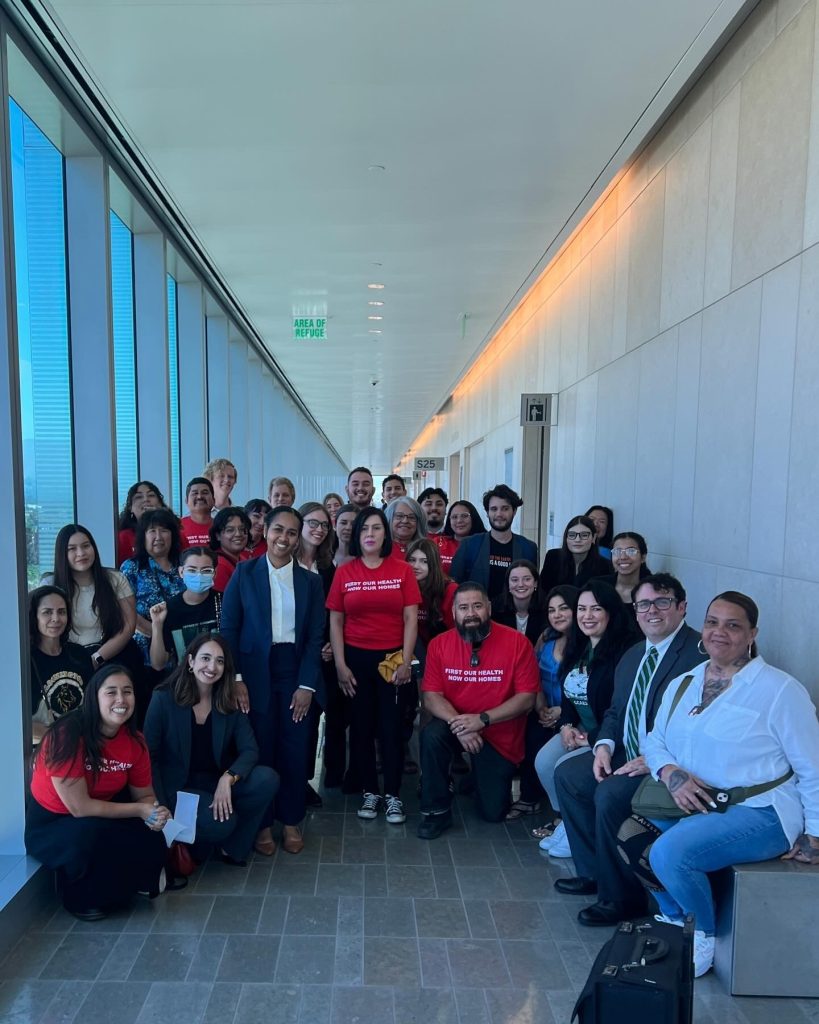
A: By the grace of the many communities to which I belong. I did not personally know any lawyers before I started working at Earthjustice after college. Once I left for law school, the Earthjustice attorneys helped me navigate that experience by sharing study resources and distinguishing between the opportunities that were actually important for environmental justice lawyering those that were less worth my time. In law school, I found community in my affinity group (Law Students of African Descent) and Berkeley Law’s many environmental and environmental justice focused organizations. Some helpful advice I received from one of my advisors at Berkeley was that I shouldn’t hesitate to reach out to alumni, as they would probably respond because they too had to send these emails to get to where they are today and would likely respond to mine. And it was true—there were many alumni who had never met me before but were willing to review a fellowship application, talk about an organization they worked at, or a judge for whom they clerked. Now, I receive a lot of these cold emails and LinkedIn requests from those who are considering law school and/or environmental law careers, and I try my best to be responsive and pay it forward.
Q: You founded Youth on Root in 2020, which equips low-income youth of colour with the tools to become environmental justice advocates. What drove you to create this organization?
A: In the year following law school, I started volunteering at a few youth civic engagement and conference programs and loved seeing all these diverse California youth coming together in one space. As I watched students simulate court hearings and legislative sessions, or ask excellent questions during hard discussions on some of the most pressing issues of our time, I wondered why I hadn’t heard of these organizations when I was in high school. I later realized that the cost of participation was too steep for my family to afford, and there weren’t local chapters in my community. That inspired me to create a program for youth in communities like mine. Since I had gone so long without knowing about environmental racism, I wanted to shape my program around centering Black and brown youth in environmental education.
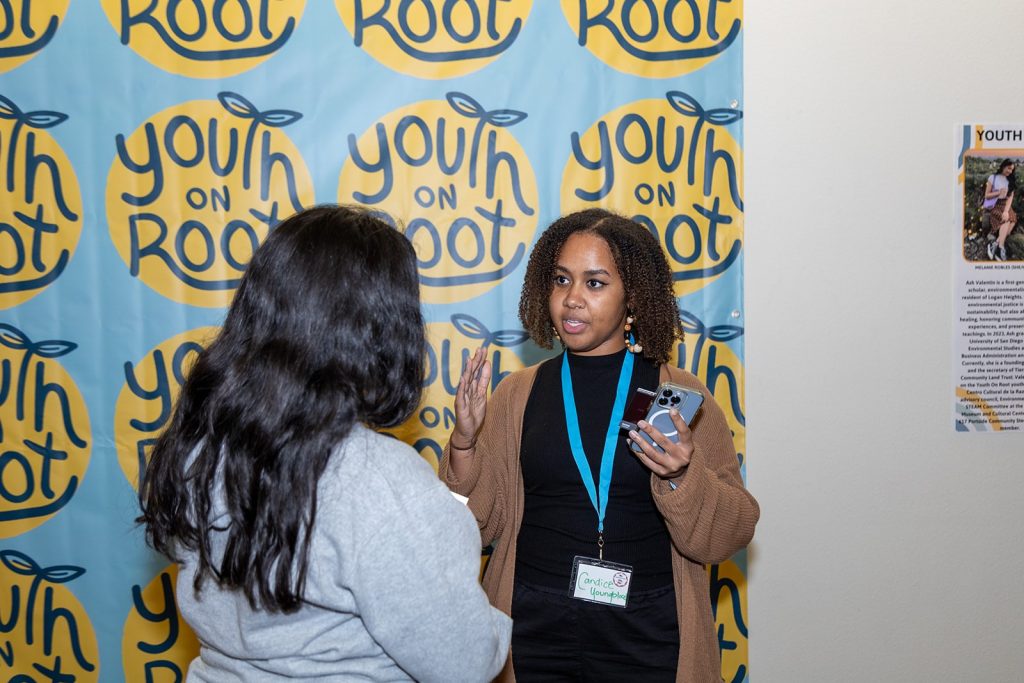
When I started Youth on Root (YoR), I envisioned a program for California youth modeled after the First National People of Color Environmental Leadership Summit. Our flagship event, the Seeds of Change Summit, brings young people from across the state together with zero admission costs. By providing inclusive convenings for youth to discuss their experiences and collaborate on innovative solutions, YoR seeks to ensure that organized youth can address environmental injustices affecting their communities. YoR is also committed to ensuring underrepresented youth—namely Black, Indigenous, and People of Color—can pursue “green careers” and be leaders in the environmental movement.
Since we launched our programming, I’ve been really proud to meet so many empowered youth leaders. It took me much longer to recognize that my own voice mattered. When I connected with youth at our first annual Seeds of Change Summit in October 2023—some who boarded their first flights to attend the event—they shared dreams of attending UC Berkeley or becoming a lawyer. It brought me a lot of joy knowing that I grew up to be someone who can offer them resources I did not have when I was their age.
Q: Throughout your career, you continue to create opportunities and service to your communities. How can we take small steps to drive change in our own communities?
A: Many of the environmental decisions that impact our daily lives are made on the local level, and it’s more important than ever that we stay engaged and plug into the work happening in our cities right now.
At a time when the federal government is seeking to pull us into a polluting past, cities must show climate leadership and pave our way to the future. We saw several cities do so during the first Trump Administration. For example, in 2017 advocates here in Los Angeles successfully pushed Los Angeles Metro—the third largest transit system in the country—to commit to electrifying its bus fleet by 2030. This will bring significant public health benefits to Angelenos, especially low-income communities and communities of color who suffer from the worst air quality and also represent a significant portion of Metro’s ridership. During this second Trump Administration, we are continuing to push the agency to stay on track toward its electrification goal and show ambition as the world’s eyes turn to Los Angeles for the 2028 Summer Olympic and Paralympic Games. Across the country, New York City’s Congestion Pricing Program went into effect in January 2025 after years of local advocacy. This program reduces congestion by charging drivers to enter lower Manhattan and using that money to fund public transit projects. It also makes New York City streets safer and reduces local air pollution. As the Trump Administration is trying to stop that program from going into effect, rider groups and grassroots environmental advocates are fighting back in court to defend the program.
All of these big wins started with local organizing and advocacy. I encourage people to research whether there are local organizations working on some of the issues they care about. And if not, they should consider organizing in their community or at their school and showing up to local agency meetings to raise those issues.
Q: To anyone who dreams of becoming an environmental lawyer, what message do you have for them?
A: For those who are looking to get into the field but do not know anyone, I would say take the leap of faith and connect with people, whether it be on LinkedIn or conferences. Generally speaking, folks from my background or who share some of my identities—Black people, Black women, Angelenos, folks from the Inland Empire, or alumni from my alma mater and previous workplaces—have looked out for me. No one succeeds by only their own merit. It’s also a bit of luck and knowing the right people, and seizing opportunities when they present themselves. As I said before, none of us have succeeded on our own. We’re standing on the shoulders of giants before us, so we have to (and want to) pay it forward.
The views and opinions expressed in the blog post are those of the author and do not necessarily reflect the official policy or position of Green 2.0.