
Hip Hop Caucus is working to protect people and the planet by fighting for racial, climate, and economic justice. We engage artists, activists, and lawmakers to advance policies that create a safer, healthier, and more just world for Black, Brown, Indigenous, and marginalized communities.
Advancing Equity and Justice at Hip Hop Caucus

Hip Hop Caucus has been a blueprint for equity and justice, integrating these principles into every aspect of our work since our founding in 2004. We leverage three pillars to ensure we are walking the talk when it comes to equity and justice: leadership, storytelling, and advocacy.
Leadership and Representation
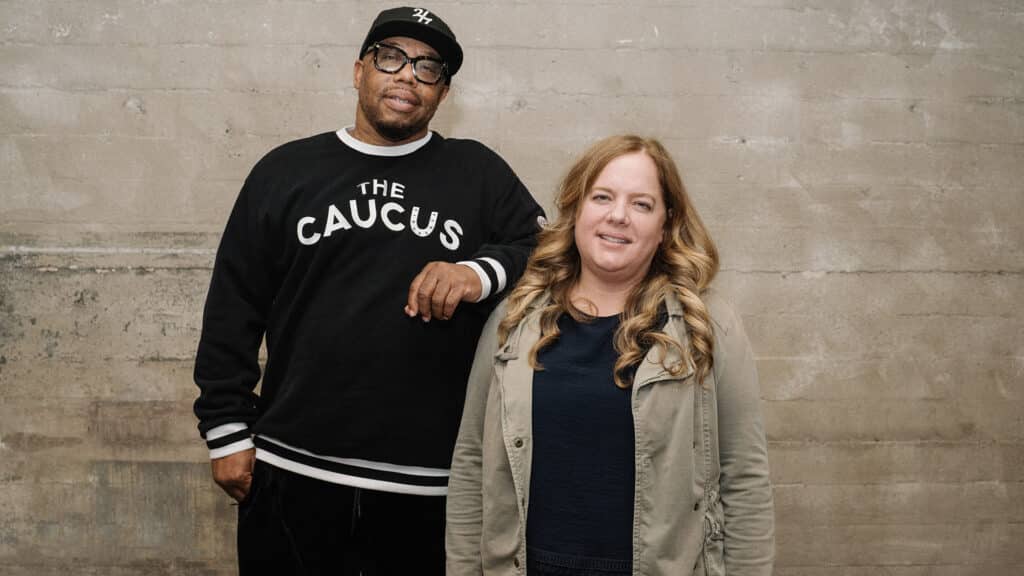
We believe that we can best serve Black, Brown, and Indigenous communities when they see themselves reflected in our leadership and staff. Our leadership team is intergenerational with diverse voices across gender, ethnicity, geography, age, and sexual orientation. Our diversity is well-represented in decision-making processes, fostering an environment of inclusivity and authenticity that radiates through the organization. This allows us to be better stewards of our communities.
Culturally Responsive Storytelling
We understand that to reach communities effectively, our storytelling and messaging must be culturally relevant. For 20 years, we have partnered with artists, influencers, and grassroots organizations to create campaigns that resonate with the lived experiences of Black, Brown, and Indigenous communities. We often say that we are in the streets and the suites advocating for justice. That level of access and engagement for both communities does not happen overnight – it requires us to gain the trust of the community and allow the best messenger to convey the way forward for their liberation.

Community-centered Advocacy
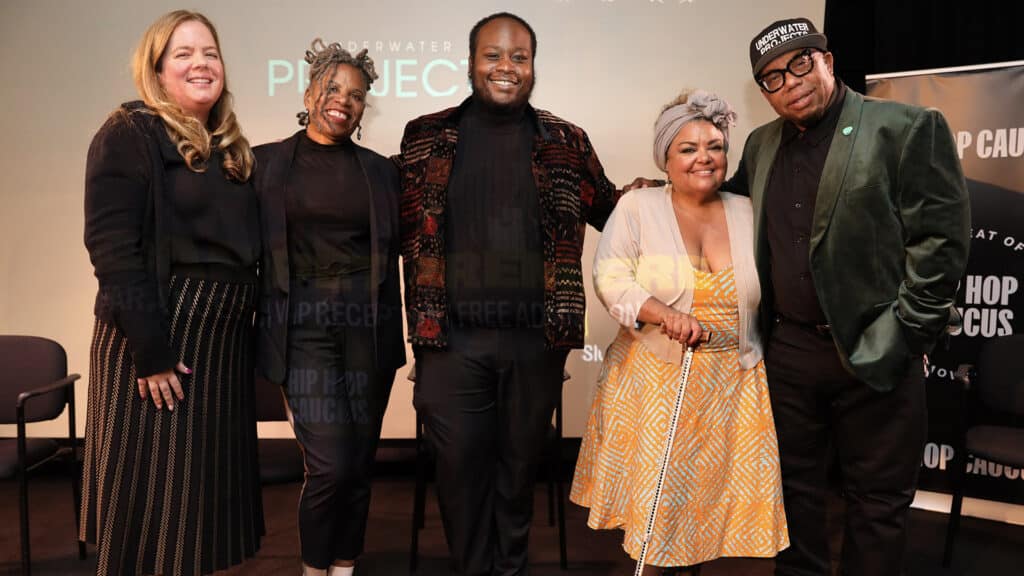
There are no top-down or bottom-up solutions for true community-centered advocacy. As a national, nonpartisan nonprofit organization, we work in tandem with local organizers to center trusted voices around key issues for their community. Town halls, events, and online actions drive the focus of our advocacy efforts, and we offer resources as vessels for community engagement. This empowers people to create campaigns that reflect the real concerns of those most affected by racial, economic, and climate injustice.
Lessons Learned in Building Effective Practices
Any organization can improve its diversity, equity, inclusion and justice practices – where there is a will, there is a way. We encourage organizations within the climate movement and beyond to be more intentional with their diversity, equity, inclusion and justice efforts.
Start with Internal Reflection. Organizations must first assess their internal culture, leadership, and policies to ensure they reflect diversity, equity, inclusion and justice principles. Seeking honest feedback from employees and stakeholders can help identify gaps and put organizations on a path that reflects their true values.
Center the voices of marginalized communities. Rather than making assumptions about what diverse communities need, organizations should engage directly with them. Groups can start by hosting listening sessions, hiring diverse staff, and building advisory boards with individuals from impacted communities.
Build real, equitable partnerships with Black, Brown, and Indigenous organizations. Collaborating with organizations that have deep roots in marginalized communities can strengthen advocacy efforts. Organized people will beat organized money every time. These partnerships can provide credibility and help ensure that outreach is authentic and impactful.
Invest in representation at all levels. We cannot express this enough: Diversity should not be limited to entry-level positions! Organizations must prioritize diverse leadership and decision-makers to ensure policies and programs reflect the communities they aim to serve.
Be intentional and accountable. diversity, equity, inclusion and justice is an ongoing commitment, not a one-time initiative. This is why Hip Hop Caucus does not have a specific program related to diversity, equity, inclusion and justice – we are diversity, equity, inclusion and justice. Organizations should set measurable goals, track progress, and be transparent about their efforts. When these principles are naturally woven into your strategic plan and daily workflow, you will see organic results from your effort and a return on investment.


Hip Hop Caucus exemplifies how diversity, equity, inclusion and justice principles can be seamlessly integrated into advocacy work. Through community-centered leadership, storytelling, and advocacy, we have empowered countless individuals to take action for racial, economic, and climate justice. We have advanced this work for 20 years, and we cannot wait to see what the next 20 years has in store for community and liberation. Together, we will win.

Visit hiphopcaucus.org and follow on Facebook, X, Instagram and YouTube to learn more about Hip Hop Caucus’ work.