
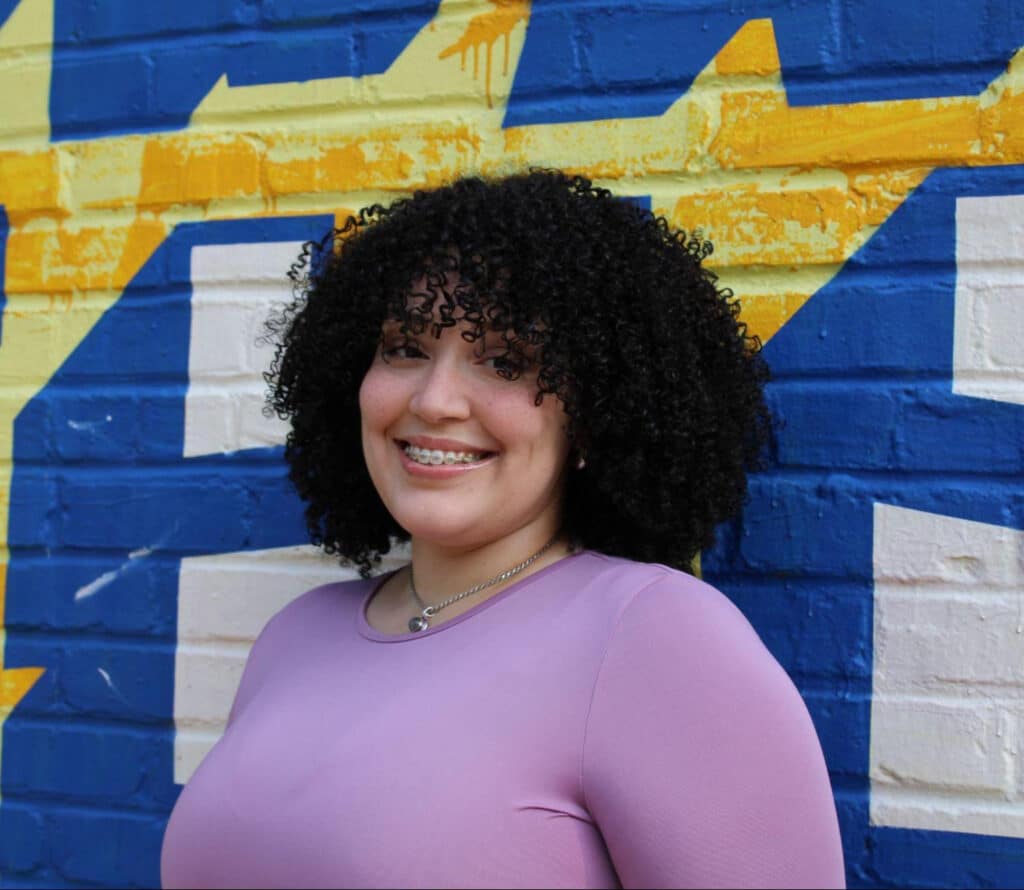
By Maliyah Womack, Green 2.0 Program Fellow and Program Associate with the Climate Advocacy Lab
Maliyah Womack, Green 2.0’s Program Fellow, reflects on her journey navigating the environmental sector and the feeling of imposter syndrome that follows many young women of color in the movement. Despite years of experience in community organizing, she often felt out of place in the environmental space. Through self-reflection and shared experiences with other women of color, Maliyah came to realize that their lived experiences are their greatest strengths.
There are times I stop and ask myself, “am I a fraud?” As an early-career community organizer, that question floats through my head frequently. While I’ve been in the community-organizing space for over eight years, I’ve only been in the climate community space for about two. I didn’t enter the environmental sector through a conventional path. Growing up in a low-income family, higher education felt like an unattainable dream—one I had to work for on my own. While others seemed to move effortlessly through their academic and career pursuits, I started at community college, eventually transferring to Temple University. But even as I walked onto that university campus for the first time, I couldn’t shake the feeling that I didn’t belong—that somehow, I wasn’t enough. That sense of imposter syndrome followed me through my studies and persists today in my career as a community organizer, despite the passion and dedication that brought me into this space.
The feeling didn’t stop there. In my previous role as a Community Manager for Girl Plus Environment, I was tasked with breaking down complex climate jargon for our audiences. Yet, every time I sat down to translate information, I questioned if I was doing a “good enough” job. I worried that I was oversimplifying or missing key points, and I wondered if I truly deserved to be in a position where I was responsible for conveying such critical information. It was as if I was constantly waiting for someone to point out that I wasn’t qualified to do this work.
This doubt carried over into events I hosted, aimed at uniting women of color in the movement. Despite my efforts to create spaces where we could share our experiences and strategies, I often wondered if I even deserved to be in the room with these incredible women. Their resumes seemed so much more impressive, their knowledge so much more vast. And yet, I found solace in the fact that many of the young women who were just starting out, like me, expressed similar feelings of inadequacy. It was a relief to know I wasn’t alone, but it also made me question whether imposter syndrome is even real for women like us.
For women of color, imposter syndrome is often intertwined with the systemic barriers that have historically excluded us from spaces of power. This isn’t just about self-doubt; it’s about navigating a world that has long told us we don’t belong. The systemic barriers that have been in place for generations make it harder for individuals like myself to achieve as much as a White colleague. When you’re constantly battling against these barriers, it’s easy to internalize the narrative that you’re not good enough, that you’re somehow less deserving. But is that really imposter syndrome, or is it a reflection of the broader societal structures that are designed to keep us in our place?
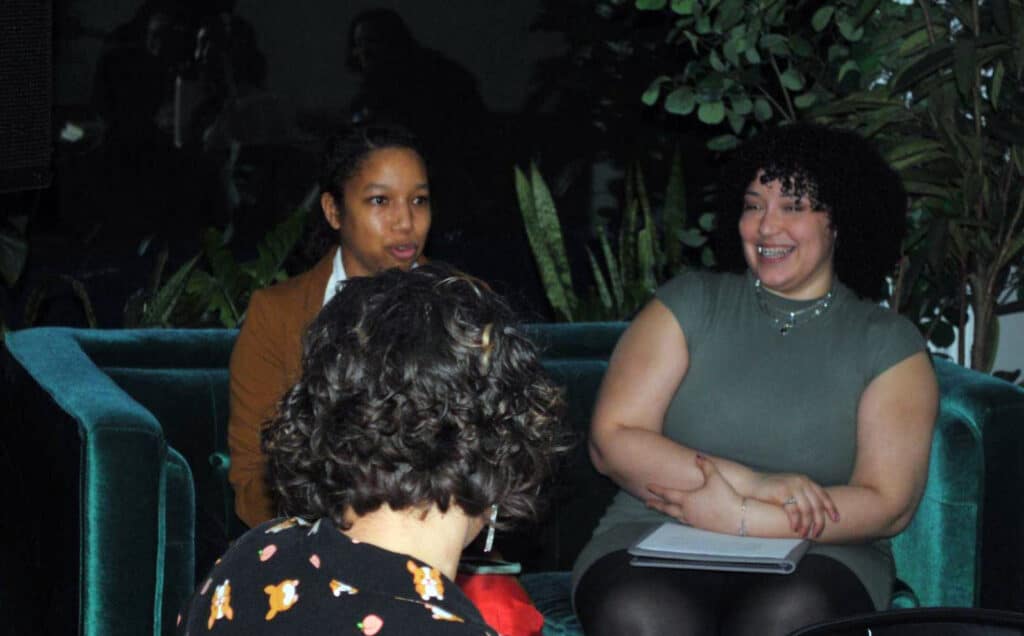
The turning point for me came during a panel discussion at NYC Climate Week. As I sat in the audience, listening to other women of color speak about their experiences, I realized I wasn’t alone in this struggle. We all shared similar stories of doubt and questioning, but we also shared a determination to make a difference. Our lived experiences, our connections to the communities most affected by environmental injustices, are not only valuable—they are essential. We are the ones who understand the urgency of these issues on a personal level, and that perspective is something that cannot be taught in any classroom or captured in any policy paper.
What I’ve come to understand is that my lived experiences are not a liability; they are my greatest asset. The intelligence I once envied in my colleagues—their fluency in jargon—isn’t the only kind of intelligence that matters. My ability to connect with people, to translate complex issues into something relatable, is just as crucial. And while I may have questioned my place in the climate movement, I now see that my voice is not only valid—it’s necessary.
To other young women of color in this movement: You are not alone. You are enough. Our lived experiences and our connections to those most impacted by environmental injustices are the key to navigating our way out of this so-called “imposter syndrome.” It’s not about whether we deserve to be here; it’s about recognizing that we are already making a difference. We belong in these rooms, at these tables, and our perspectives are vital to creating the change we so desperately need.
In the fight against climate change, our voices are not just valid—they are essential. We are not imposters. We are change-makers.

Connect with Maliyah on LinkedIn to stay updated on her journey in the climate movement. For more resources and to learn about the impactful work Maliyah has contributed to The Lab, visit the Climate Advocacy Lab. For additional articles and insights she has shared, check out Girl Plus Environment’s Girl vs. The World Blog!